Search results for “Backyard astronomy”

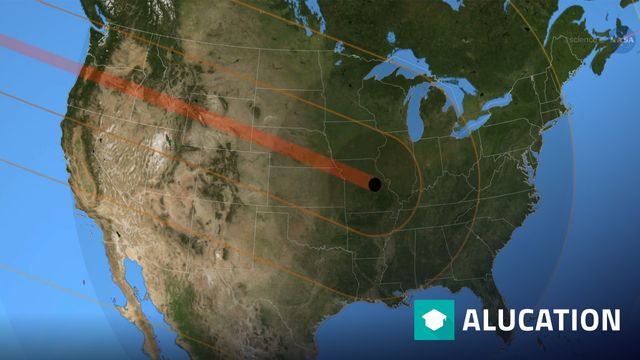
ScienceCasts: August 2017: A Big Month for Astronomy

Click here to see more videos: https://alugha.com/NASA Visit http://science.nasa.gov/ for more. The Perseid meteor shower will peak on August 11, 12, and 13, and a Total Solar Eclipse will be visible in the United States from coast to coast on August 21. (This video is from 2017)
ScienceCasts: Amazing Sunset Sky Show

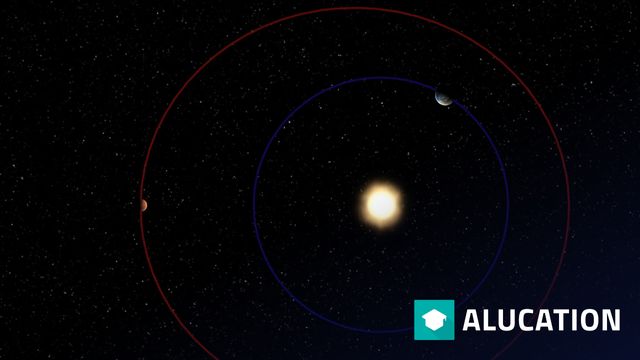
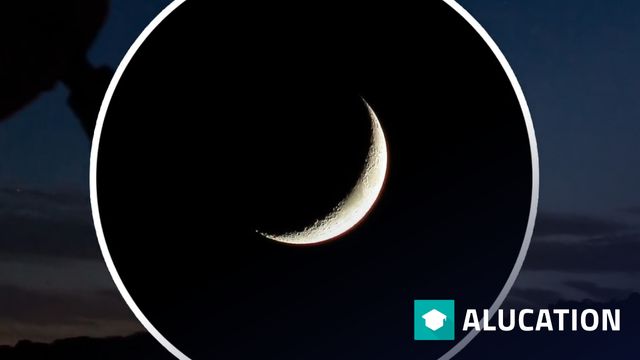
Venus and Jupiter are converging for a must-see close encounter at the end of June. It could be the best backyard sky show of 2015. Visit http://science.nasa.gov/ for more. Click here to see more videos: https://alugha.com/NASA This video is from 2015

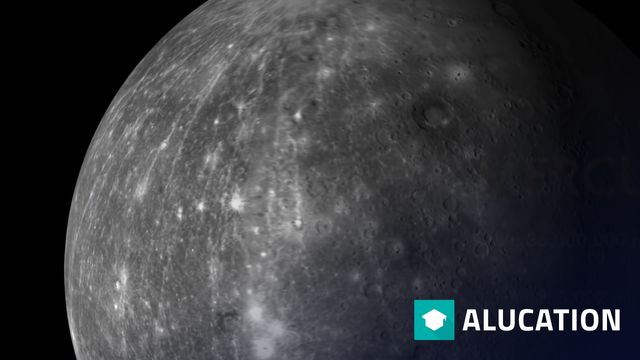
ScienceCasts: The 2016 Transit of Mercury

Click here to see more videos: https://alugha.com/NASA Visit http://science.nasa.gov/ for more. On May 9th (2016), Mercury will move across the face of the sun, offering a rare viewing opportunity for professional astronomers and backyard sky watchers alike. 2016 Mercury Transit: http://mercurytr

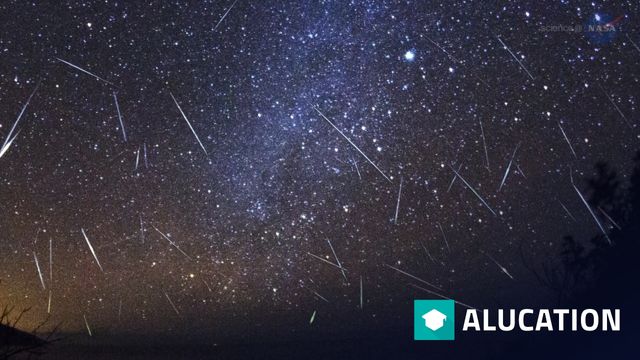
ScienceCasts: A Good Year for Perseid Meteors

This week, Earth passes through a stream of debris from Comet Swift-Tuttle, source of the annual Perseid meteor shower. Forecasters say the show could be especially good this year because the Moon is nearly new when the shower peaks on Aug. 12-13. Visit http://science.nasa.gov/ for more. Click her

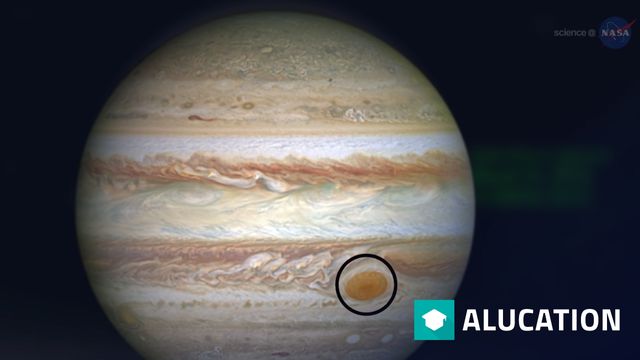
ScienceCasts: Close Encounters with Jupiter

On March 8th, 2016 Earth and Jupiter will have a close encounter. The giant planet will be "up all night," soaring almost overhead at midnight and not setting until the sky brightens with the twilight hues of sunrise on March 9th. In July, the Juno mission will give us an even closer look. Visit ht

Why Do We Have Leap Years?

Every four years, we get an extra day in February. Who decided this, and what's the point? Follow Us! https://twitter.com/LifeNoggin https://facebook.com/LifeNoggin Click here to see more videos: https://alugha.com/LifeNoggin Life Noggin is a weekly animated educational series. Whether it's scie

The Nebra sky disk

The Nebra sky disk is the world's oldest known concrete representation of astronomical phenomena and is more than 3600 years old. It shows a crescent moon, the full moon - sometimes interpreted as the sun - and a total of 32 stars. Author: ZDF/Terra X/SPIEGEL TV/Christopher Gerisch/Tilman Remme/Rei

ScienceCasts: NASA's Next Great Space Telescope

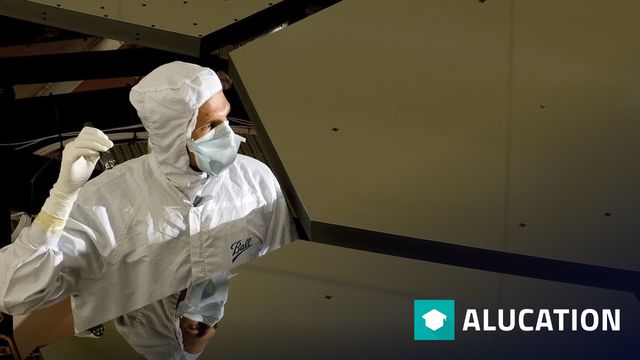
Click here to see more videos: https://alugha.com/NASA Visit http://science.nasa.gov/ for more. Assembly of NASA's next great space observatory, the James Webb Space Telescope, is underway. It will show researchers the first stars and galaxies that formed in the early universe. JWST WebbCam: http

Galileo Galilei's discoveries

Galileo Galilei's telescope was a milestone for his astronomical observations. One major finding: The Milky Way is not a nebula, but consists of millions of stars. However, he was wrong about the cause of the tides. Authors: ZDF/Terra X/S. Hillmann/B. v. Dadelsen/S. Utzt/C. v. Westphalen/M. Mohr T