Search results for “Blue Moon”
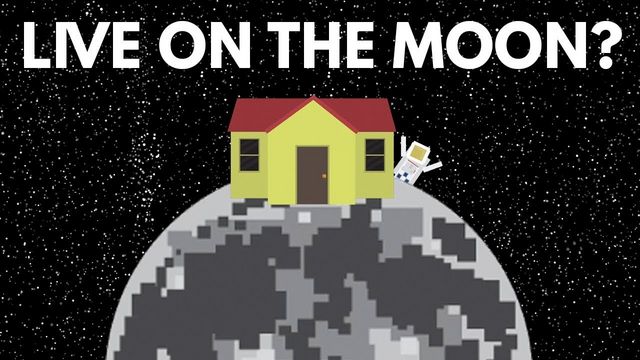
Why Can't We Live On The Moon?
We could try living on the moon ... but it might not be a good idea. Click here to see more videos: https://alugha.com/LifeNoggin Follow Life Noggin! Facebook: https://www.facebook.com/LifeNoggin/?ref=br_rs Instagram: https://instagram.com/lifenoggin/ Twitter: https://twitter.com/lifenoggin Offi
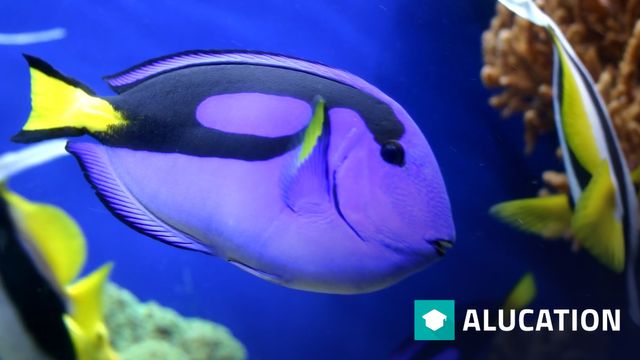
Blue Tang facts: the Dory fish | Animal Fact Files
Blue tangs were made widely popular after the release of Finding Nemo. These relatively rare in the wild fish have many names including palette surgeonfish, regal blue tangs, blue surgeonfish, and more! Blue tangs travel in loose groups and are found on coral reefs of the Indo-Pacific. They help a r
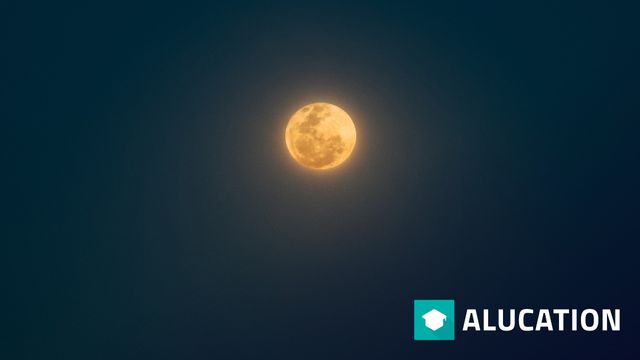
Why Doesn't the Moon Fall Down?
Astronomer Doris Daou explains how the forces of speed and gravity keep the Moon in a constant orbit around Earth in this animated video segment adapted from NASA. The Moon, Earth's natural satellite, seems to hover in the sky, unaffected by gravity. However, the reason the Moon stays in orbit is pr
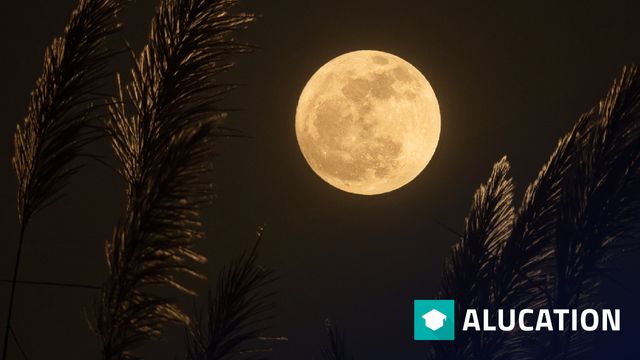
Evolution of the Moon
Learn about the evolution of Earth's moon, from its initial formation to its current state, in this video from NASA. Real satellite imagery, as well as simulations, explore how the Moon has changed over time. The video looks at how the Moon likely formed about 4.5 billion years ago, how impacts from
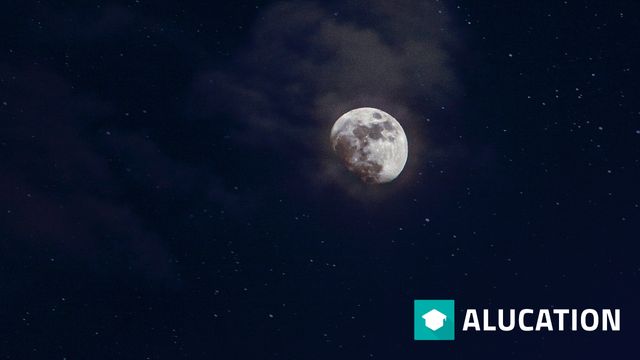
Tour of the Moon | NASA Planetary Sciences
Take a tour of the Moon's surface features in this video from NASA. Images and topographic maps show craters, rocks, mountains, basins, and valleys, including the Orientale basin, Shackleton crater, South Pole-Aitken basin, Tycho crater, Aristarchus plateau, Mare Serenitatis, Compton-Belkovich volca
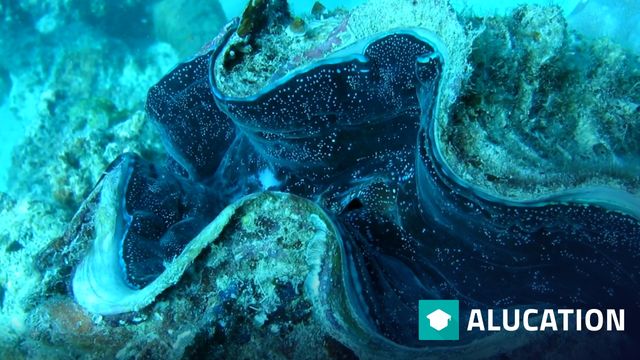
Giant Clam facts: an algae filled blue kiss | Animal Fact Files
On this episode of Animal Fact Files discover the biggest bivalves living today. You can learn more on: Twitter - https://twitter.com/animalfactfiles Facebook - https://facebook.com/animalfactfiles/ --- We always do what we can to be as accurate as possible but we're only human; if you catch a mi
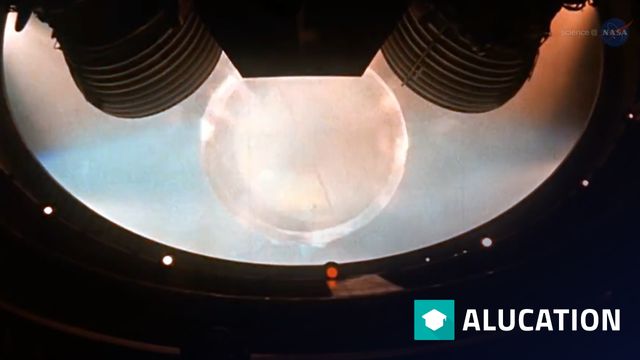
ScienceCasts: Amazing Moons
When the Space Age began, explorers were eager to visit the planets of the solar system. As the years have passed, however, astronomers have realized that the moons of the solar system may be even more interesting. Visit http://science.nasa.gov/ for more. Click here to see more videos: https://alu
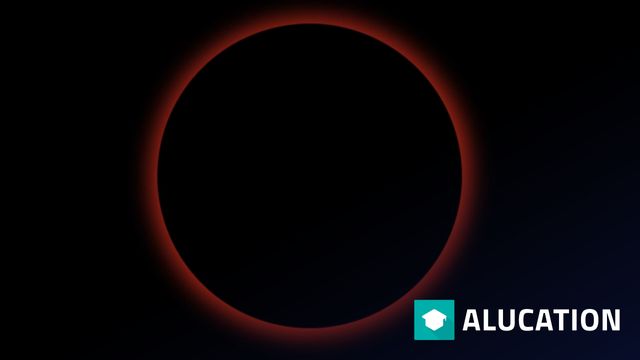
ScienceCasts: Total Eclipse of the Harvest Moon
This Sunday, Sep. 27th, the super Harvest Moon will pass through the shadow of Earth, producing a lovely amber total lunar eclipse. Visit http://science.nasa.gov/ for more. Click here to see more videos: https://alugha.com/NASA This video is from 2015
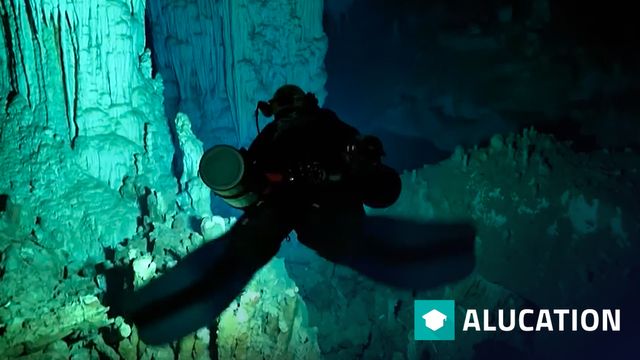
Blue Holes in the Bahamas
Blue holes are cave systems, flooded with sea water. How did these geological treasures develop thousands of years ago? Author: ZDF/Terra X/SPIEGEL TV/Christopher Gerisch/Tilman Remme/Reiner Bauer, Oliver Gurr/Oliver Roetz, Philipp Klein/Hauke Ketelsen/Richard Sako Translation and redub: alugha C

Mapping the Moon's Gravity | NASA Planetary Sciences
Launched in September 2011, find out about the Gravity Recovery and Interior Laboratory (GRAIL) mission to measure the gravitational field of the Moon and study how the Moon developed over time. Animations illustrate technical aspects of the mission's design, including the launch, orbital insertion
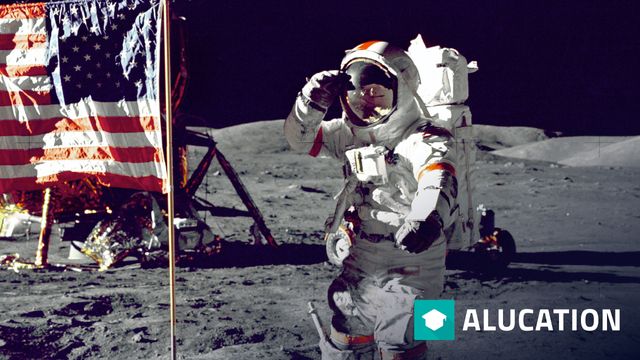
Investigating the Moon's Interior | NASA Planetary Sciences
Discover how scientists plan to use data from the GRAIL mission and a map of the Moon's gravitational field to learn about its internal structure. By comparing data about the Moon's gravity with information about its topography, scientists can gain a better understanding of the Moon's formation and