10 Structure of fats
The structure of the fat molecules is discussed. The same applies to the most important fatty acid molecules. Original: "Wolfgang Dukorn" Original: German. All translations in this video have been done by the alugha AI.
The structure of the fat molecules is discussed. The same applies to the most important fatty acid molecules. Original: "Wolfgang Dukorn" Original: German. All translations in this video have been done by the alugha AI.
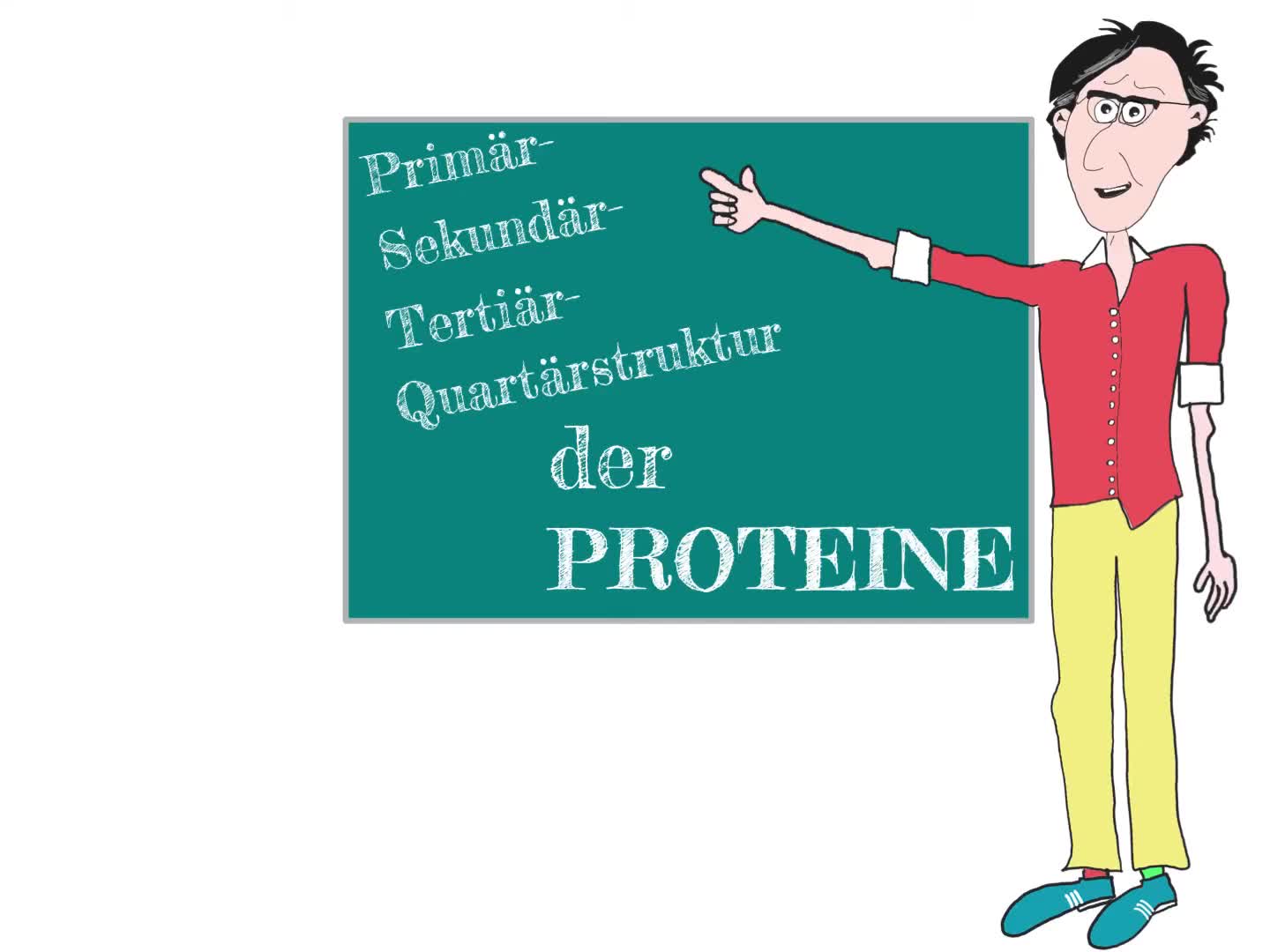
In this video, I explain what is meant by the primary, secondary, tertiary and quaternary structure of protein molecules. With many examples, I try to illustrate the four structures and thus make them understandable. Original: "Chemistry and biology - get it!" Original: German. All translations in
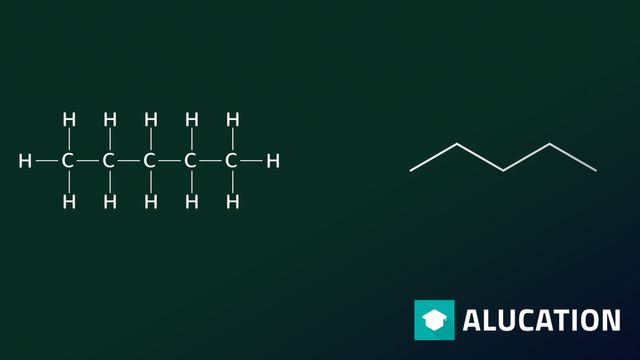
Skeletal structure - representation of organic compounds simply explained - substances and particles - organic chemistry. The skeletal structure represents organic compounds more clearly, simply and faster. In this context, important basic terms are line-angle formula or structural formula and valen
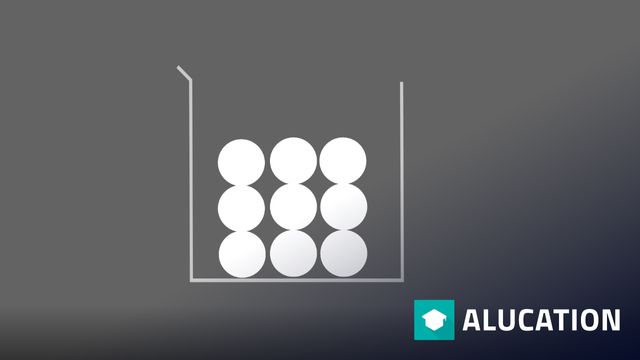
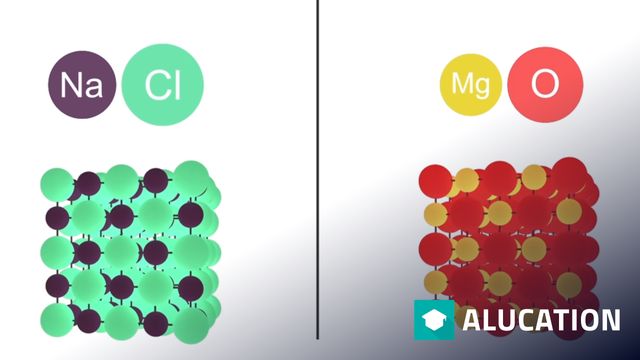
This is part 2 for our videos on giant chemical structures. Part 1 is here: https://bit.ly/336zmMx Giant ionic structures also have exceptionally high melting points. This is because the electrostatic interactions between the ions are very strong. Mg2+ and O2- ions have double the number of cha
The spatial structure of the most important molecules is explained and then practiced. Original: "Wolfgang Dukorn" Original: German. All translations in this video have been done by the alugha AI.
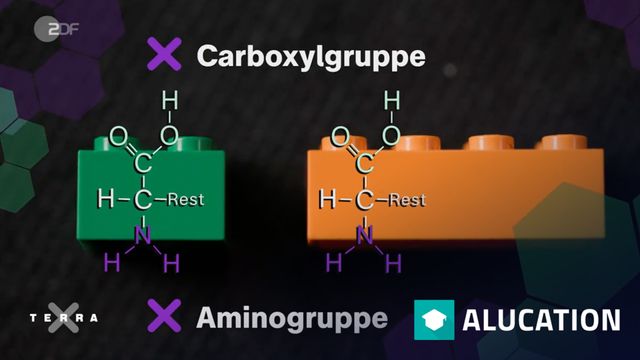
Proteins are made up of the same basic building blocks: amino acids. These differ in their properties, such as their size or shape. Humans need a total of 20 different amino acids to build proteins. Authors: ZDF/Terra X+/Bilderfest/Nina Beier/Olivia Wassios/Julian Krugmann/Magnus Schmitz/Sabine Fin
Learn the basics about the differences between different chemical structures, including giant covalent, giant ionic and metallic structures. There are numerous materials and substances that possess giant chemical structures. Some are common: like the grains of sand on the beach; the microprocessors
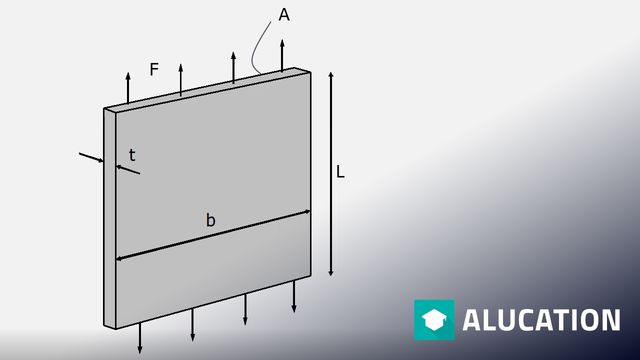
Click here to see more videos: https://alugha.com/CalvinRans The video is part of a larger MOOC called Introduction to Aerospace Structures and Materials offered by the Faculty of Aerospace Engineering at TUDelft. The course is available on the edX platform (https://online-learning.tudelft.nl/cours
Dickson Wong, our award winning tutor for Maths, Economics, and Mandarin dives into proven strategies to structure exam answers to attain the highest marks possible per question. Organising your ideas and supporting your arguments clearly is the key to making your answers easy for an examiner to gi
Click here to see more videos: https://alugha.com/FuseSchool Plants make food through photosynthesis. Using their leaves, plants combine sunlight, carbon dioxide and water to make glucose and oxygen. A leaf is like a plant's food factory, collecting all of the components into one place so that phot
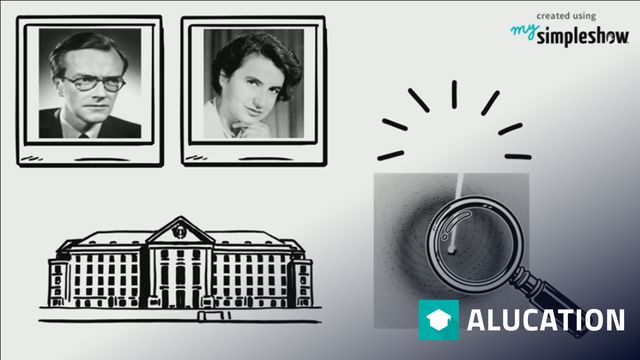
On 28 February 1953 Francis Crick and James Watson revealed the double helix structure of DNA. True to the simpleshow foundation’s aim of explaining all kinds of topics that moved the world, this video explains the discovery of the structure of DNA. Transcript: alugha Click here to see more videos
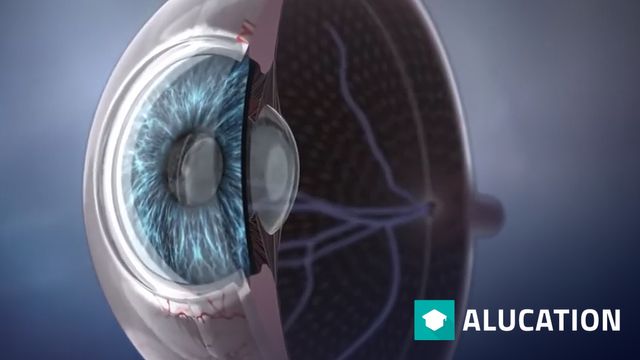
How do we see? The structure of the eye: from the transparent cornea to the retina. Author: 3sat/nano, Bluemoon Media, Volker Wasmuth+Patrick Zeilhofer, M. Herrmann+T. Külgen+D. Zanetti, Tobias Adams, 3D Maxi Translation and dubbing: alugha Click here to see more videos: https://alugha.com/Terra