Search results for “German Philosophers”

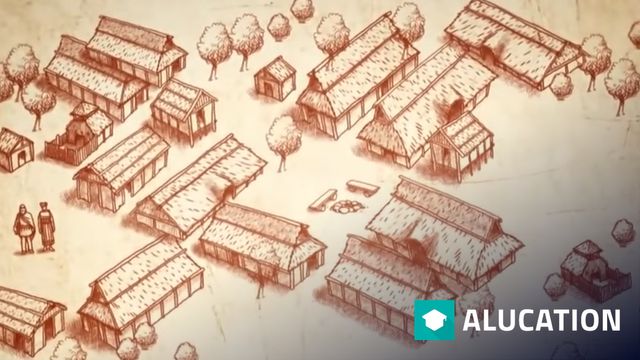
How the early Germans lived

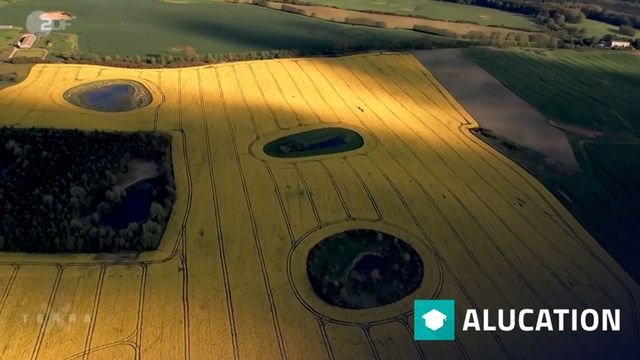
How did the Germans settle and live? In the 1st century BC only about two and a half million Germanic tribes settled in all of Europe. No village had more than 200 residents. Author: ZDF/Terra X/Gruppe 5/ Sabine Bier, Sahar Eslah, Cristina Trebbi/Martin Christ, Marc Riemer, Joachim C. Seck/ Claudi
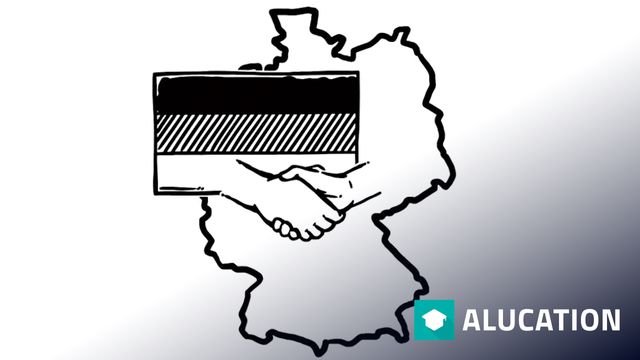
German Reunification in a nutshell

25th anniversary of German Reunification – an event that had a great impact on Europe and became another symbol of the end of the worldwide East-West conflict. This simpleshow explains the basic facts about the German Reunification – in just two minutes! Authors: Waldemar Ibbe, Rodrigo Diaz McVeigh

The German Weather Service

The German Federal Weather Service in Offenbach is the largest data collector and user in Offenbach. With almost 2400 employees, it is one of the most important national weather services worldwide. Author: 3Sat/Nano/WerwieWas Media Production/Uta Meyer/Marika Bent/Robert Cöllen/Martin Langner/Katja

What gods did the Germanic peoples worship?

The Germanic peoples had many deities. In early times, they worshipped the so-called stake gods, simple wooden idols carved from long branch forks. They were usually placed in damp lowlands or moorlands. But there were also gods with famous names. Author: ZDF/Terra X/Group 5/ Sabine Bier, Sahar Esl

The expansion of the proto-Germanic peoples

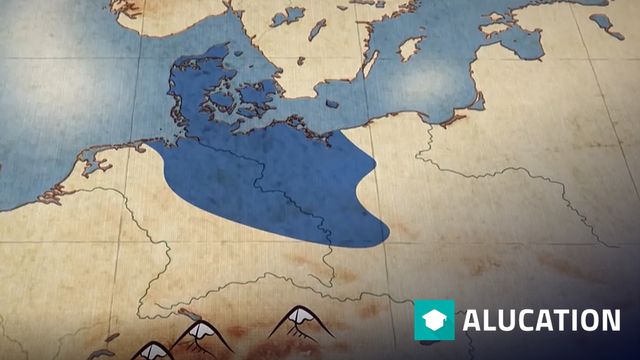
The ancestors of the Germanic peoples probably lived in Eurasia. Around 1000 BC., some of them reached the settlement area between the Baltic Sea and the Alps, and throughout centuries, they even reached the Danube, the Vistula and Scandinavia Author: ZDF/Terra X/Gruppe 5/ Sabine Bier, Sahar Eslah

Who owns the German forest?

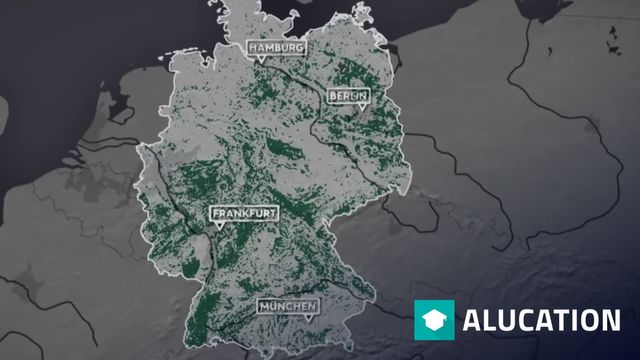
Around one third of Germany is covered by forest. Nearly half of the forest area is private forest. 29% are owned by the states. About 19% are owned by cities and municipalities. The federal government owns about 4%. Author: 3sat/nano/Axel Gomille/Michael Habermehl/Sebastian Heger/Sophie Lochau/Ut

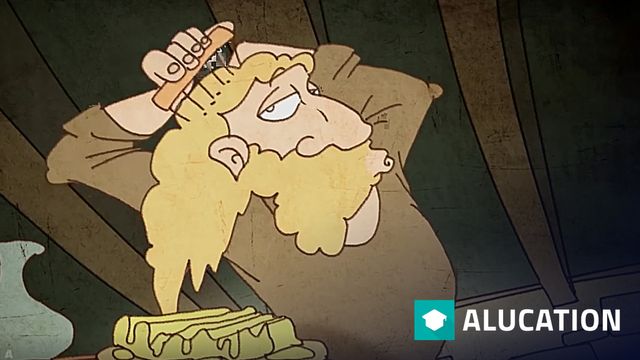
Hairstyles among the Germanic peoples

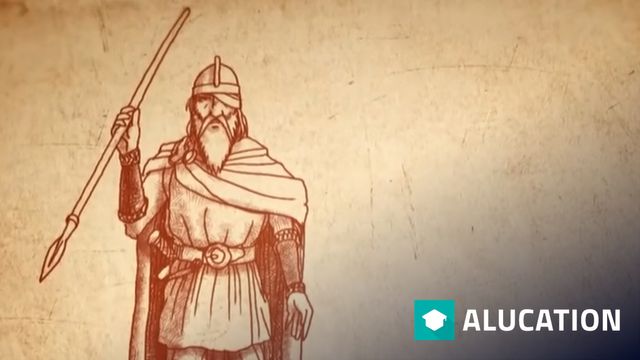
The men made a big fuss about their hair, which they styled extensively with their universal weapon, the comb. The Suebian knot was especially popular. Author: ZDF/Terra X/Group 5/ Sabine Bier, Sahar Eslah, Cristina Trebbi/Martin Christ, Marc Riemer, Joachim C. Seck/ Claudia Spoden, Ramin Sabeti/F

Nietzsche: God is dead

"God is dead. God remains dead. And we killed him," wrote Friedrich Nietzsche in 1882. To understand what the German philosopher meant and what he thought about man, morality and society as a whole, we collaborated with Professor Stephen Hicks for this Sprouts special series. Support us on Patreon

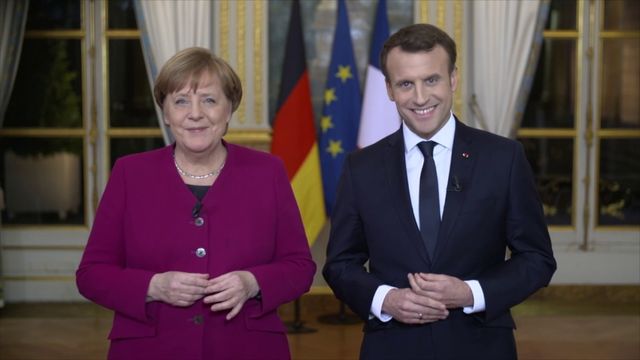
The Treaty of Aachen – United in Friendship

56 years ago, Germany and France signed the Elysée Treaty. It drew on the lessons of their bloody pasts to create a new departure that would go down in history. A supposed rivalry going back hundreds of years became Franco-German friendship. The goal of the Treaty of Aachen is to renew this friendsh

Positive and negative freedom – who is freer

We often think that freedom means acting without restrictions. But since one person's freedom can influence another's, unrestricted action usually creates problems. To prevent this, we create rules. Philosopher Isaiah Berlin went a step further and distinguished two types of freedom: negative freedo