Search results for “Mar Juràssic”

Planet Mars

Mars is so attractive to us humans because it is our closest neighboring planet. It formed only a little earlier than Earth and can tell us a lot about the evolution of Earth and the solar system. Author: ZDF/nano/Raketenfilm/Andreas Gust/Konstantin Fuchs Translation and dubbing: alugha Click her
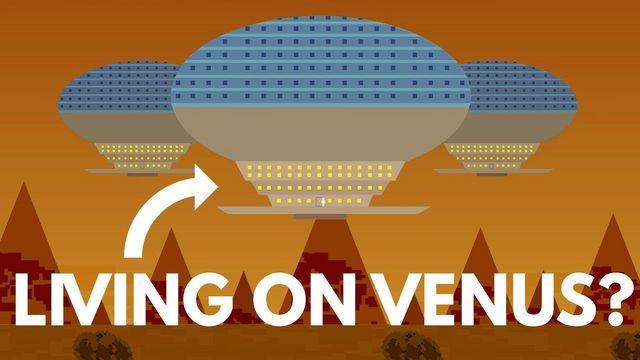

Should We Live On Venus BEFORE Mars?

Colonizing Mars might seem like a great idea, but should we go to Venus instead? Click here to see more videos: https://alugha.com/LifeNoggin Follow Life Noggin! Facebook: https://facebook.com/LifeNoggin/?ref=... Instagram: https://instagram.com/lifenoggin/ Twitter: https://twitter.com/lifenoggin

Soaring Over Mars

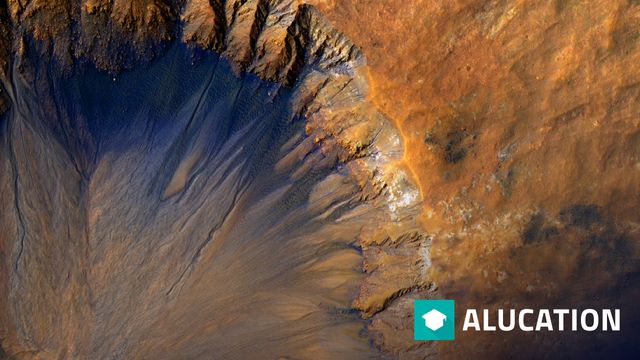
Tour three Martian landscapes and find out how erosion and water affected the surface of Mars, in this video adapted from NASA. Flyover images created from HiRISE (High Resolution Imaging Science Experiment), an instrument on board the Mars Reconnaissance Orbiter, show the structure and composition

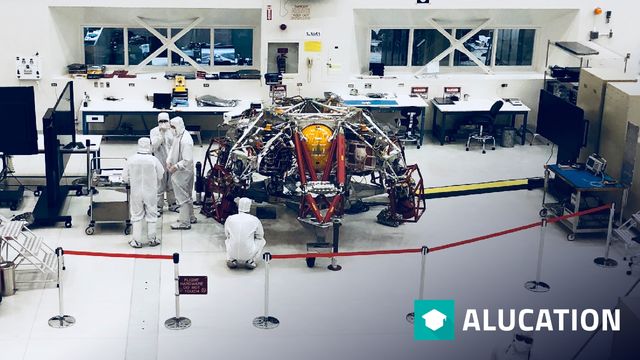
Perseverance Mars Rover & the Search for Ancient Life

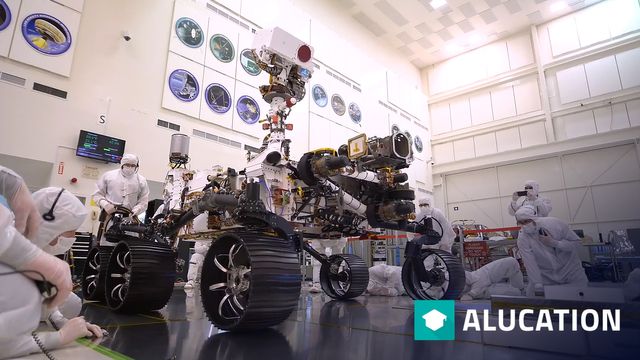
Millions of miles from Earth lies a dusty, cold, desert world with a very thin atmosphere. You know this planet as Mars…but it hasn’t always been this way. There’s evidence that the Red Planet was much wetter and warmer, with a thicker atmosphere, billions of years ago. Could it also have supported

Methane on Mars | NASA Planetary Sciences

Explore whether Mars is alive -- geologically or biologically -- in this video from NASA. Satellite images and the recent discovery of water ice on the surface of Mars suggest liquid water is flowing beneath the surface, which could make it a habitable planet. The controversial discovery of methane

Mars Streambed | NASA Planetary Sciences

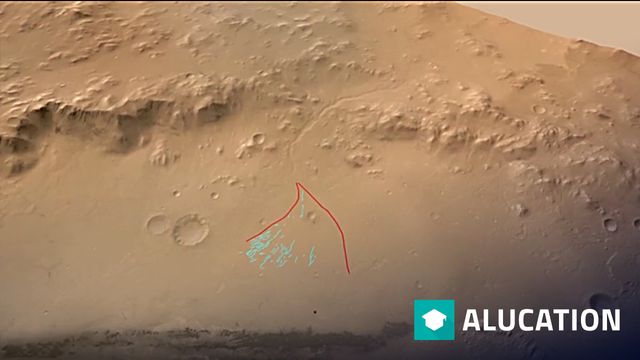
NASA Jet Propulsion Laboratory scientist Sanjeev Gupta uses images captured by Curiosity rover to explain the significance of pebbles found on Mars. Gupta describes the ground-layer composition at three outcrops near the rover's landing site that contain rounded pebbles. Because rounded pebbles on E

Wind and Radiation on Mars | NASA Planetary Sciences

Discover how and why Curiosity, the Mars rover, measures wind and radiation on Mars. Mars Science Laboratory scientist Ashwin Vasavada describes two of the instruments onboard the rover that study Mars' present environment. The Radiation Assessment Detector (RAD) measures high-energy radiation from

Measuring Mars's Magnetic Field | NASA Planetary Sciences

Learn about the Mars Atmosphere and Volatile EvolutioN (MAVEN) mission to Mars in this video from NASA's Goddard Space Flight Center. Mars does not have a global magnetic field like Earth but does have patches of magnetic fields. Scientists use magnetometers to study the planet's magnetic anomalies.

Curiosity Rover Hits Paydirt on Mars | NASA Planetary Sciences

Learn about the discovery of conditions that would have been suitable for life on ancient Mars. In 2013, the Mars Science Laboratory (MSL) science team released initial findings from its first drilled sample using the Curiosity rover. MSL scientist Joel Hurowitz describes the sedimentary rock sample

Rover Results on Mars | NASA Planetary Sciences

Discover the instruments that Curiosity, a rover on Mars, used to gather and analyze soil samples in this video from NASA's Jet Propulsion Laboratory. In 2012, Curiosity took its first scoop of Martian soil to test and analyze from an area called Rocknest. One of the project scientists describes how

How Does A Planet Die?

Eventually, Earth won’t exist the way we know it today. Could our knowledge of planetary death save the human race? Follow Us! https://twitter.com/LifeNoggin https://facebook.com/LifeNoggin Click here to see more videos: https://alugha.com/LifeNoggin Life Noggin is a weekly animated educationa