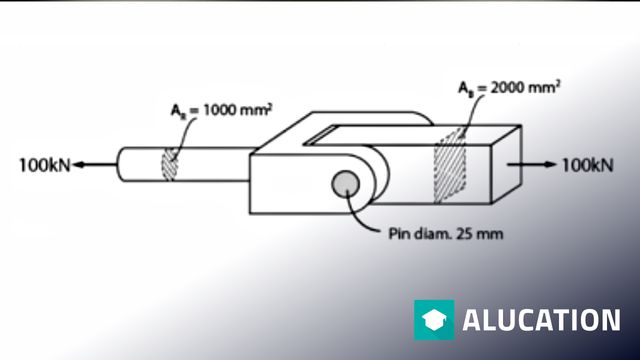
Example: A Pinned Clevis Coupling
Example problem video for the Mechanics of Materials course offered by the Faculty of Aerospace Engineering at Delft University of Technology Click here to see more videos: https://alugha.com/CalvinRans
Example problem video for the Mechanics of Materials course offered by the Faculty of Aerospace Engineering at Delft University of Technology Click here to see more videos: https://alugha.com/CalvinRans
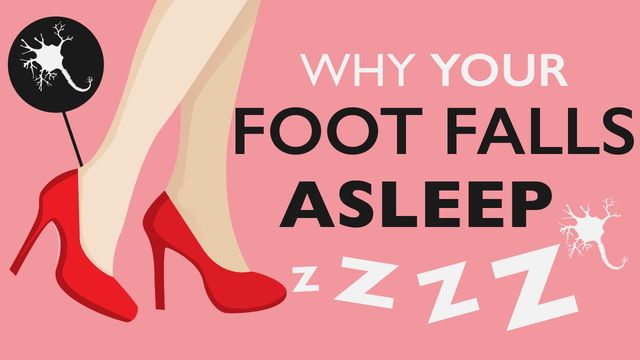
Have you ever been sitting criss cross applesauce for so long that your foot falls asleep? It can feel like pins and needles but why does this happen? Click here to see more videos: https://alugha.com/producer/ab74e560-21e6-11e8-9e5c-976417fdd1d9 Life Noggin is a weekly animated educational serie
In this screencast, the simplest and basic function "writing" with pen input is explained. Original: "Wolfgang Dukorn" Original: German. All translations in this video have been done by the alugha AI.
Click here to see more videos: https://alugha.com/FuseSchool You’re on holiday and have been on the beach all day, sharing photos to social media to make your friends jealous. Your phone battery is running low. Then back in the hotel - disaster strikes. In this video we’re going to look at how dif
For more Science Videos: https://lt.org/ * Caseworkers try to help unemployed people to find work, providing support and assistance in regularly scheduled meetings. In this video, AMELIE SCHIPROWSKI seeks to quantify the economic value of these caseworker meetings. * Relying on data from Swiss unem
For more Science Videos: https://lt.org/ * Having played an acknowledged role in the 2011 Fukushima disaster, it has long been understood that hydrogen penetration can accelerate the deterioration of structural materials. In this video, BAPTISTE GAULT analyzes this process of hydrogen embrittlement
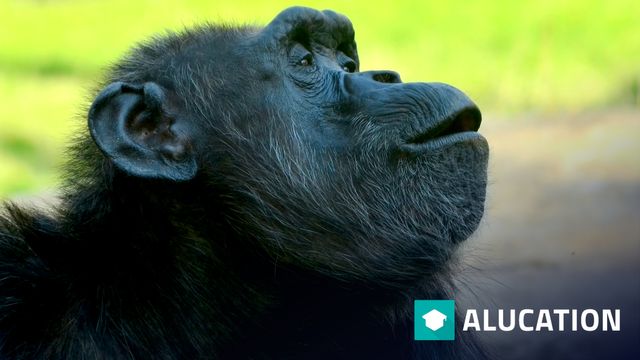
The name chimpanzee may be in reference to one of two animal species. The two chimpanzee species are the common chimpanzee and the bonobo. This episode focuses on the common chimpanzee. Common chimpanzees are endemic to sub-Saharan African. They live in groups, called communities, numbering from 15