Search results for “SMD”

NASA ScienceCasts: New InSight into the Red Planet

Click here to see more videos: https://alugha.com/NASA We’ve always referred to Mars as the red planet because of its surface color. But what’s below that dusty crust? NASA's InSight mission is determined to find out. NASA Science: http://science.nasa.gov/
ScienceCasts: Close Encounters with Jupiter

On March 8th, 2016 Earth and Jupiter will have a close encounter. The giant planet will be "up all night," soaring almost overhead at midnight and not setting until the sky brightens with the twilight hues of sunrise on March 9th. In July, the Juno mission will give us an even closer look. Visit ht

ScienceCasts: Solar Minimum is Coming

Intense solar activity such as sunspots and solar flares subsides during solar minimum, but that doesn’t mean the sun becomes dull. Solar activity simply changes form. Click here to see more videos: https://alugha.com/NASA Visit http://science.nasa.gov/ for more.
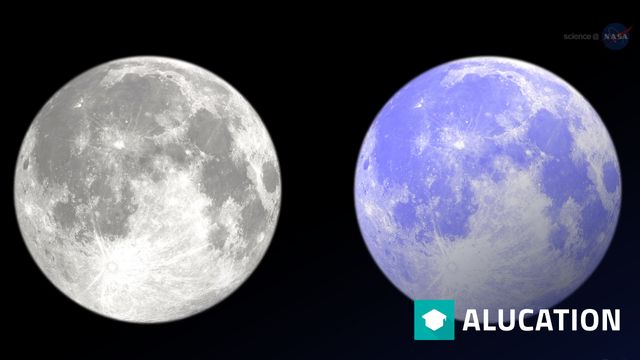
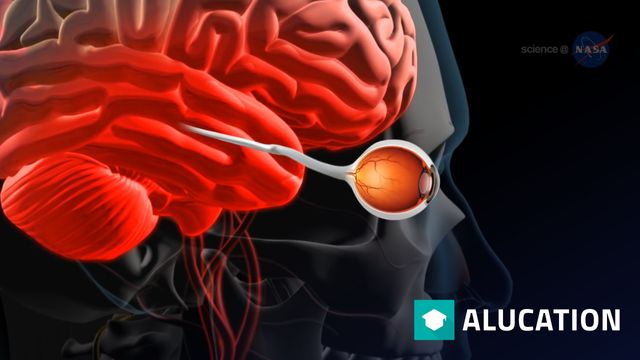
ScienceCasts: Space Vision

Many astronauts report a blurring of their eyesight in microgravity. Researchers are trying to get to the bottom of this phenomenon before astronauts travel to Mars and beyond. Visit http://science.nasa.gov/ for more. http://www.nasa.gov/station http://www.nasa.gov/mission_pages/station/research/e

ScienceCasts: Views of Home

Cameras on NASA spacecraft have treated us to intriguing and inspiring perspectives of our home planet as they've looked back at Earth from various locales. Visit http://science.nasa.gov/ for more. Click here to see more videos: https://alugha.com/NASA
ScienceCasts: NASA Embraces Small Satellites

Visit http://science.nasa.gov/ for more. NASA is embracing small satellite designs, from tiny CubeSats to micro-satellites. These miniature marvels are providing many ways to collect science data and to demonstrate new technologies. Click here to see more videos: https://alugha.com/NASA
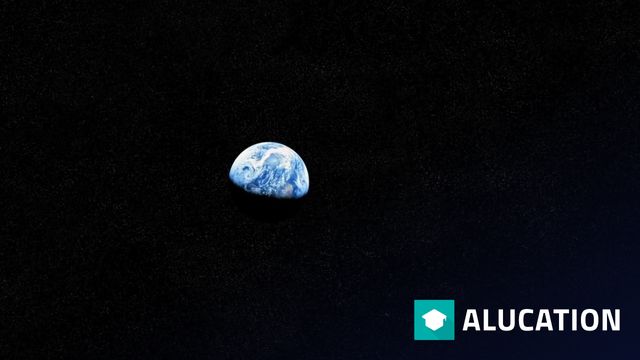
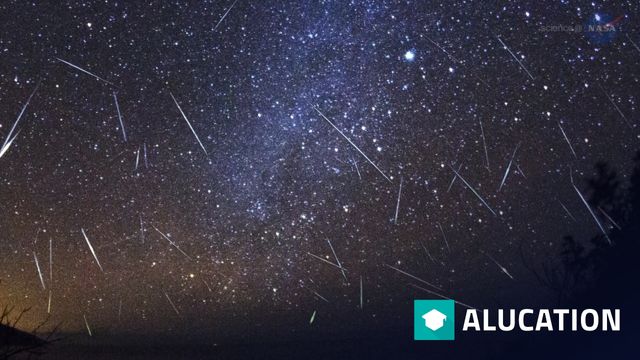
ScienceCasts: A Good Year for Perseid Meteors

This week, Earth passes through a stream of debris from Comet Swift-Tuttle, source of the annual Perseid meteor shower. Forecasters say the show could be especially good this year because the Moon is nearly new when the shower peaks on Aug. 12-13. Visit http://science.nasa.gov/ for more. Click her