Search results for “Scientist”

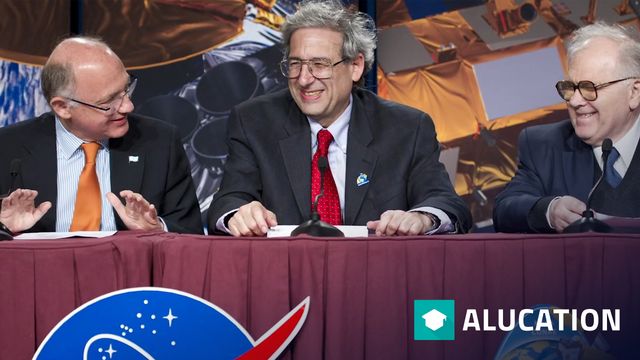
Ocean Satellite Renamed for Noted Scientist

Click here to see more videos: https://alugha.com/NASA A key ocean observation satellite launching this fall has been named after Earth scientist Michael Freilich, as announced Jan. 28 by NASA, ESA (European Space Agency), the European Organisation for the Exploitation of Meteorological Satellites
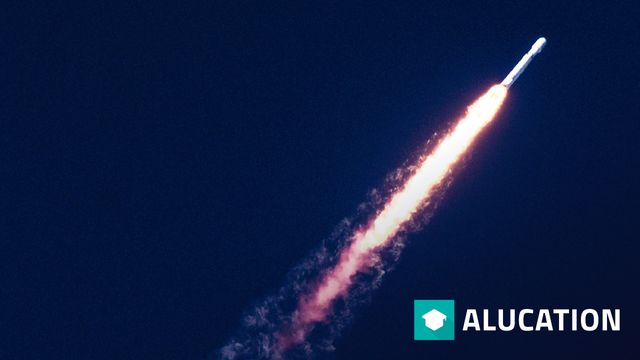
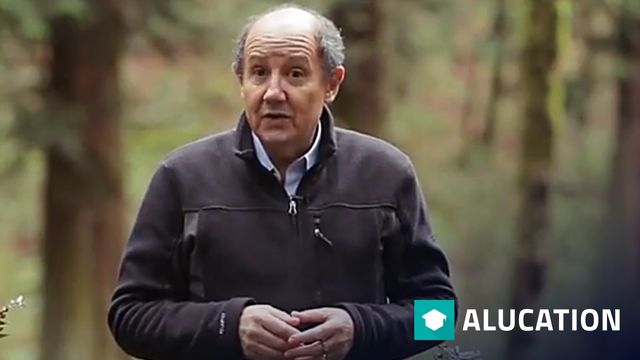
NOVA scienceNOW: Franklin Chang-Díaz: Rocket Scientist

In this video segment adapted from NOVA scienceNOW, meet Franklin Chang-Díaz, an astronaut and scientist. Learn how he has been interested in rockets and space travel since he was a child in Costa Rica, and how he immigrated to the United States to pursue his dream of becoming an astronaut. Hear how

Life In All Its Forms | Big History Project

A closer look at the life on Earth and the techniques scientists use to study living organisms. Website: https://www.bighistoryproject.com/portal Facebook: https://www.facebook.com/bighistoryproject Twitter: https://twitter.com/BigHistoryPro Click here to see more videos: https://alugha.com/oerpro

Space Detectives

Space Detectives: The case of the rocks from space Europlanet 2020 RI http://www.europlanet-2020-ri.eu/ Europlanet Outreach http://www.europlanet-eu.org/ Europlanet Social Media: Twitter: https://twitter.com/europlanetmedia Facebook: https://www.facebook.com/europlanetmedia Instagram: https://

Jupiter and Its Icy Moons

Produced by Science Office for Europlanet 2020 RI. http://www.scienceoffice.org/ Europlanet 2020 RI http://www.europlanet-2020-ri.eu/ Europlanet Outreach http://www.europlanet-eu.org/ Europlanet Social Media: Twitter: https://twitter.com/europlanetmedia Facebook: https://www.facebook.com/europ

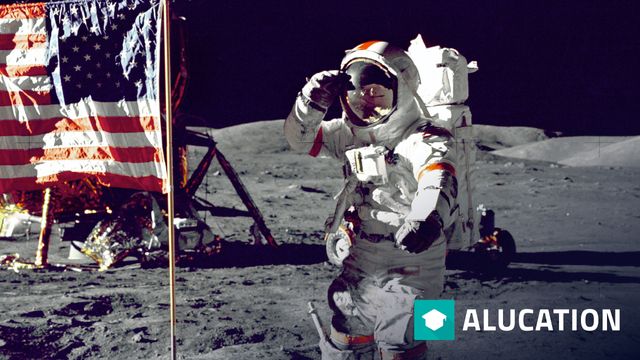
Investigating the Moon's Interior | NASA Planetary Sciences

Discover how scientists plan to use data from the GRAIL mission and a map of the Moon's gravitational field to learn about its internal structure. By comparing data about the Moon's gravity with information about its topography, scientists can gain a better understanding of the Moon's formation and

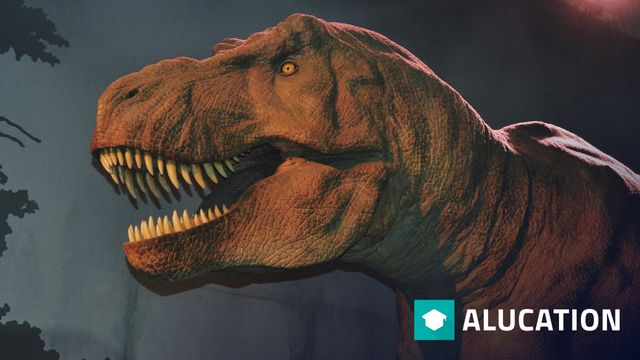
NOVA scienceNOW: T. Rex Blood?

In this video segment adapted from NOVA scienceNOW, learn how scientists are hoping to better understand the biology of dinosaurs by studying the insides of fossil bones. Hear about the accidental discovery of dinosaur soft tissue by paleontologist Dr. Mary Schweitzer, and how this tissue enables sc

Methane on Mars | NASA Planetary Sciences

Explore whether Mars is alive -- geologically or biologically -- in this video from NASA. Satellite images and the recent discovery of water ice on the surface of Mars suggest liquid water is flowing beneath the surface, which could make it a habitable planet. The controversial discovery of methane

Mercury's MESSENGER Reveals Mysteries | NASA Planetary Sciences

Explore what makes Mercury so mysterious and what scientists are learning from NASA's first Mercury mission in 30 years. For the MESSENGER mission, NASA launched a probe and guided it toward Mercury using a technique called "solar sailing." The probe is studying the make-up of the planet's inner cor

Measuring Mars's Magnetic Field | NASA Planetary Sciences

Learn about the Mars Atmosphere and Volatile EvolutioN (MAVEN) mission to Mars in this video from NASA's Goddard Space Flight Center. Mars does not have a global magnetic field like Earth but does have patches of magnetic fields. Scientists use magnetometers to study the planet's magnetic anomalies.

Planetary Geology | NASA Planetary Sciences

Meet NASA scientist Lynn Carter, who studies the geology of planetary surfaces, in this video adapted from NASA's Goddard Space Science Center. Carter describes how scientists learn about Earth by studying other planets and moons. Objects such as the Moon have older surfaces, which serve as a record

Caves: Extreme Conditions for Life

For certain life forms on Earth, conditions that humans and other familiar organisms find hospitable can actually be deadly. Instead of a moderate climate with an atmosphere rich in nitrogen and oxygen, these organisms thrive in very hot or very cold temperatures, or in caves or deep waters where no