Explainer video tropical circulation
Dubbed presentation explaining tropical circulation (trade wind circulation, trade winds) at intermediate level. Transcript: alugha
Dubbed presentation explaining tropical circulation (trade wind circulation, trade winds) at intermediate level. Transcript: alugha
When air is in motion, wind is created. Temperature differences are responsible for this. When air warms up, it rises and colder air flows in. This is the cool wind that we feel. There is almost always wind on the coasts. Author: ZDF/Pur+/Autorenkombinat/Tobias Schönke/Carina Schulz/Jochen Schmidt
The layers of air of the earth is called the atmosphere. At different altitudes, it varies in pressure and temperature. Therefore, the atmosphere is divided into five main layers depending on altitude. Author: ZDF/TerraX/Julia Knüppel/Ellen Haas/Malik Alpoguz/Maximilian Mohr Translation and dubbi
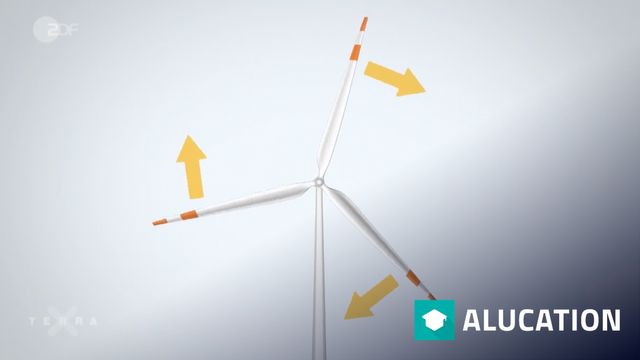
Wind turbines use the energy of the wind and convert it into electricity. In doing so, they use the physical principle of buoyancy. Author: ZDF/Pur+/Autorenkombinat/Tobias Schönke/Rita Gerhardus-Faust/Jochen Schmidt Translation and dubbing: alugha Click here to see more videos: https://alugha.com
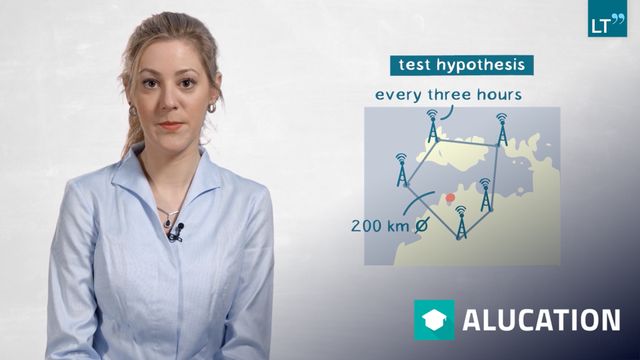
For more Science Videos: https://lt.org/ * Our planet’s cloudiness has been heretofore understood as being controlled by the slowly varying, large scale, atmospheric circulation known as the Hadley cell. In this video, CLAUDIA STEPHAN argues that this model is overly simplistic. * Bringing recent me
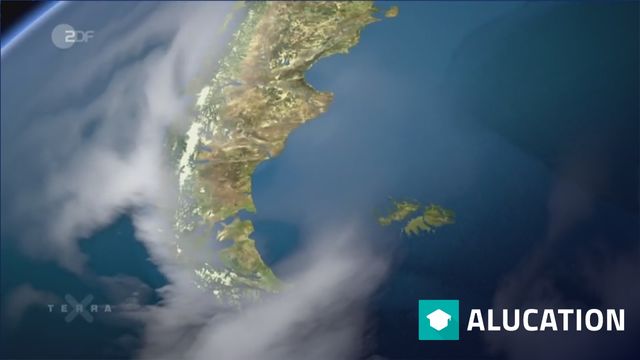
Patagonia is notorious for its extreme winds. At the tip of South America, very cold air masses from Antarctica collide with warmer air from the north. Heavy storms rage at the southern end of the continent 300 days a year. Author: ZDF/Terra X/R.Marel/S.Hillmann/C.Gerisch/A.Kindler/SpiegelTV/Maximi
Explore climate change on a geologic time scale, and consider recent human impacts on climate and the atmosphere. Website: https://www.bighistoryproject.com Facebook: https://www.facebook.com/bighistoryproject Twitter: https://twitter.com/BigHistoryPro Click here to see more videos: https://alugha
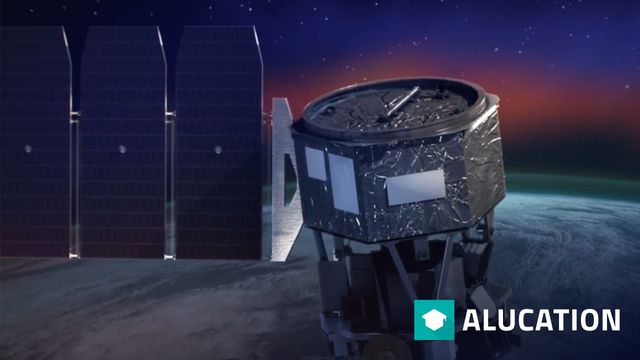
The ionosphere is where Earth's atmosphere gives way to space, and two new NASA missions will work together to uncover its secrets. Visit http://science.nasa.gov/ for more. Click here to see more videos: https://alugha.com/NASA
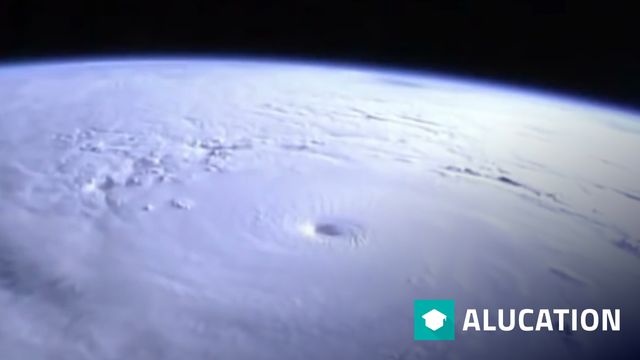
As hurricane season unfolds, a helpful set of eyes mounted on the International Space Station allows scientists to observe massive storms from a special angle. http://science.nasa.gov/ Visit http://www.nasa.gov/station for more from the ISS Click here to see more videos: https://alugha.com/NASA
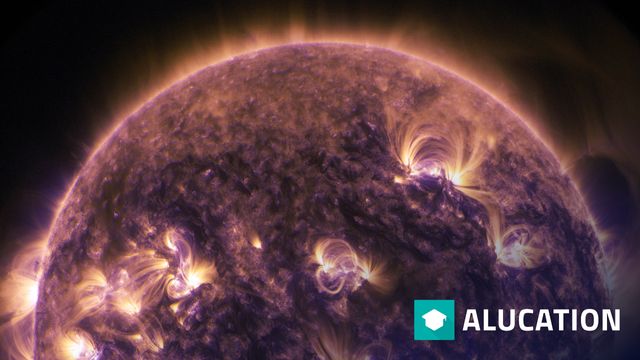
The Sun produces a solar wind — a continuous flow of charged particles — that can affect us on Earth. It can, for example, disrupt communications, navigation systems, and satellites. Solar activity can also cause power outages, such as the extensive Canadian blackout in 1989. In this video segment a
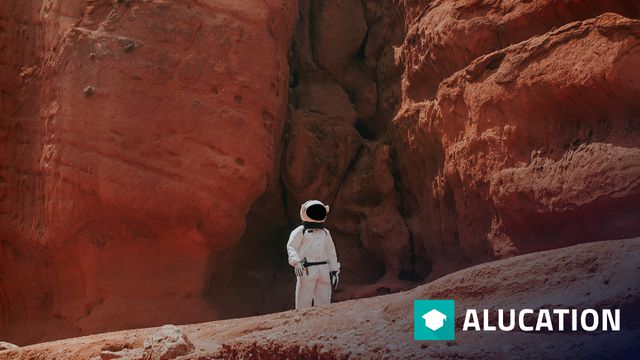
Discover how and why Curiosity, the Mars rover, measures wind and radiation on Mars. Mars Science Laboratory scientist Ashwin Vasavada describes two of the instruments onboard the rover that study Mars' present environment. The Radiation Assessment Detector (RAD) measures high-energy radiation from