Search results for “colonia lunar”

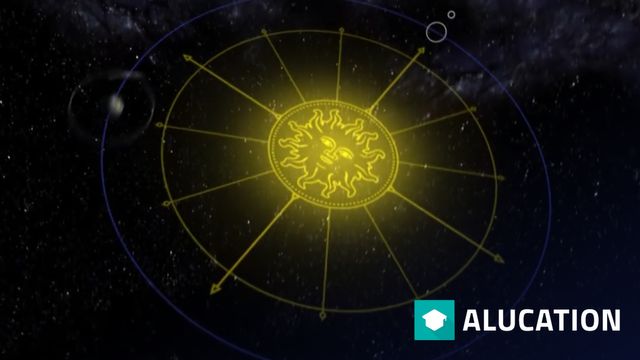
Solar and lunar year

Ancient Greek scholars knew the difference between solar and lunar years. While the earth orbits the sun once in a year, the moon orbits the earth about 12 times. Author: ZDF/Terra X/Tobias Schultes/WENDEVARGA Translation & dubbing: alugha Click here to see more videos: https://alugha.com/TerraX
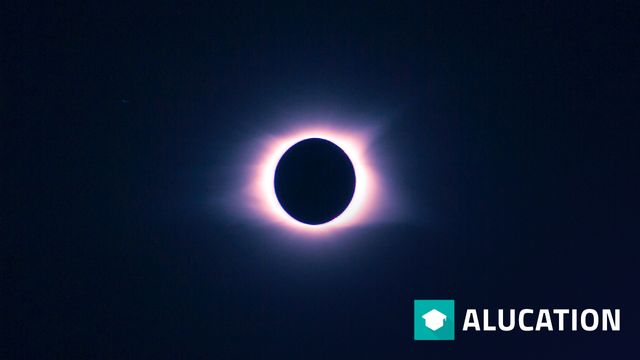
Lunar Eclipse Essentials | NASA Planetary Sciences

Discover what happens during a lunar eclipse in this video from NASA. The orbit of the Moon around Earth causes the monthly phases of the Moon; lunar eclipses occur when the Moon passes through Earth's shadow. The video shows how the appearance of the Moon changes as it passes through Earth's penumb

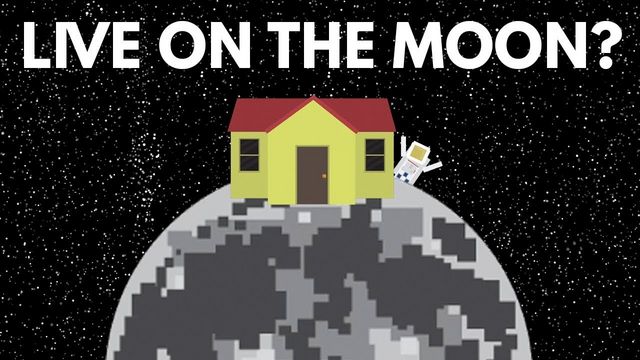
Why Can't We Live On The Moon?

We could try living on the moon ... but it might not be a good idea. Click here to see more videos: https://alugha.com/LifeNoggin Follow Life Noggin! Facebook: https://www.facebook.com/LifeNoggin/?ref=br_rs Instagram: https://instagram.com/lifenoggin/ Twitter: https://twitter.com/lifenoggin Offi

Tour of the Moon | NASA Planetary Sciences

Take a tour of the Moon's surface features in this video from NASA. Images and topographic maps show craters, rocks, mountains, basins, and valleys, including the Orientale basin, Shackleton crater, South Pole-Aitken basin, Tycho crater, Aristarchus plateau, Mare Serenitatis, Compton-Belkovich volca

ScienceCasts: A Supermoon Trilogy

Visit http://science.nasa.gov/ for more. A series of three supermoons will appear on the celestial stage on December 3, 2017, January 1, 2018, and January 31, 2018. Click here to see more videos: https://alugha.com/NASA

Total Solar Eclipse Animation

Solar eclipses result from the alignment of the Sun, Moon, and Earth. Total solar eclipses — in which the Sun is completely blocked by the Moon — are a spectacular and rare sight to witness. In this animation adapted from NOVA, see why solar eclipses occur and observe a simulated total eclipse. This

Investigating the Moon's Interior | NASA Planetary Sciences

Discover how scientists plan to use data from the GRAIL mission and a map of the Moon's gravitational field to learn about its internal structure. By comparing data about the Moon's gravity with information about its topography, scientists can gain a better understanding of the Moon's formation and