Search results for “curiosity rover”

Curiosity Rover Hits Paydirt on Mars | NASA Planetary Sciences

Learn about the discovery of conditions that would have been suitable for life on ancient Mars. In 2013, the Mars Science Laboratory (MSL) science team released initial findings from its first drilled sample using the Curiosity rover. MSL scientist Joel Hurowitz describes the sedimentary rock sample
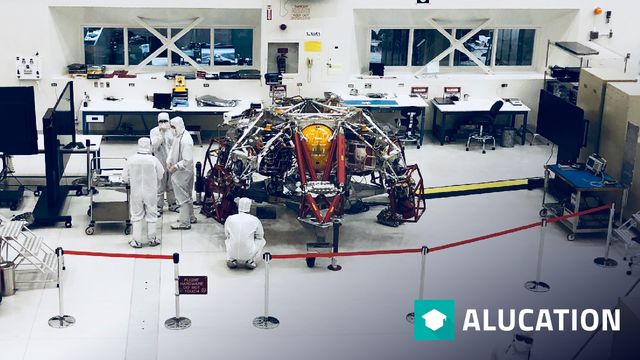
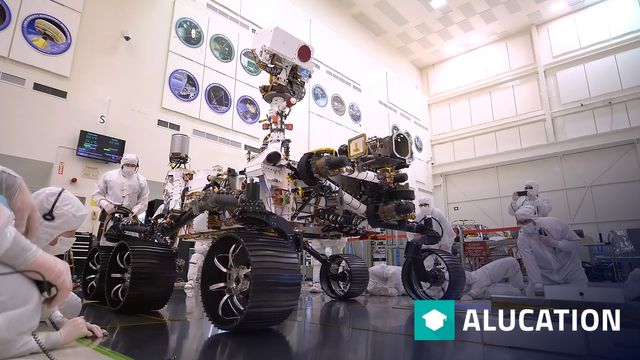
Rover Results on Mars | NASA Planetary Sciences

Discover the instruments that Curiosity, a rover on Mars, used to gather and analyze soil samples in this video from NASA's Jet Propulsion Laboratory. In 2012, Curiosity took its first scoop of Martian soil to test and analyze from an area called Rocknest. One of the project scientists describes how

Perseverance Mars Rover & the Search for Ancient Life

Millions of miles from Earth lies a dusty, cold, desert world with a very thin atmosphere. You know this planet as Mars…but it hasn’t always been this way. There’s evidence that the Red Planet was much wetter and warmer, with a thicker atmosphere, billions of years ago. Could it also have supported

Could We Build A Planet From Scratch?

Should we colonize Mars, or just build a planet from scratch? Follow Us! https://twitter.com/LifeNoggin https://facebook.com/LifeNoggin https://www.instagram.com/lifenoggin Click here to see more videos: https://alugha.com/LifeNoggin Life Noggin is a weekly animated educational series. Whether

Wind and Radiation on Mars | NASA Planetary Sciences

Discover how and why Curiosity, the Mars rover, measures wind and radiation on Mars. Mars Science Laboratory scientist Ashwin Vasavada describes two of the instruments onboard the rover that study Mars' present environment. The Radiation Assessment Detector (RAD) measures high-energy radiation from

ScienceCasts: The First Martian Marathon

On Earth, a fast runner takes a few hours to complete a marathon. On Mars, it's taken 11 years. NASA's Opportunity rover crossed that finish line in 2015. Visit http://science.nasa.gov/ for more. Click here to see more videos: https://alugha.com/NASA This video is from 2015

Mars Streambed | NASA Planetary Sciences

NASA Jet Propulsion Laboratory scientist Sanjeev Gupta uses images captured by Curiosity rover to explain the significance of pebbles found on Mars. Gupta describes the ground-layer composition at three outcrops near the rover's landing site that contain rounded pebbles. Because rounded pebbles on E

How Long Have Humans Existed?

Within the history of everything we know from the Big Bang to this moment, where do humans fit in? Click here to see more videos: https://alugha.com/LifeNoggin Life Noggin is a weekly animated educational series. Whether it's science, pop culture, history or art, we explore it all and have a ton

ScienceCasts: Views of Home

Cameras on NASA spacecraft have treated us to intriguing and inspiring perspectives of our home planet as they've looked back at Earth from various locales. Visit http://science.nasa.gov/ for more. Click here to see more videos: https://alugha.com/NASA

What Causes Cramps?

Have you ever woken up in the middle of the night with a charley horse in your leg? What's actually going on inside your body? Click here to see more videos: https://alugha.com/LifeNoggin Life Noggin is a weekly animated educational series. Whether it's science, pop culture, history or art, we exp

The Science Behind A Selfie

Even though you only have to push a button to take the picture, there’s actually a lot of cool science happening behind the scenes. Life Noggin is a weekly animated educational series. Whether it's science, pop culture, history or art, we explore it all and have a ton of fun doing it. Follow Us!

HISTORY OF MARRIAGE

Why did humans start to get married? Let's find out! Click here to see more videos: https://alugha.com/LifeNoggin Life Noggin is a weekly animated educational series. Whether it's science, pop culture, history or art, we explore it all and have a ton of fun doing it. Follow Us! https://twitter.c