Search results for “famous”

Watson’s Theory of Behaviourism

John B. Watson famously claimed that if he were to be given a dozen healthy infants, he could shape them into anything; doctors, lawyers, artists, beggars, or thieves, regardless of their background or genetic predispositions. First, he completed experiments with 8-month old Albert. He later applied

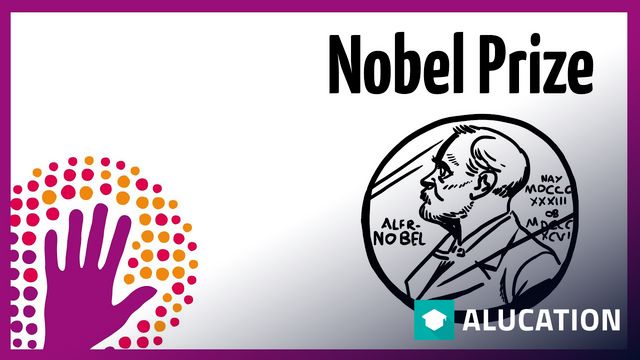
The Nobel Prize – explained in a nutshell

The Nobel Prize awards are some of the most famous and prestigious awards in the world. But what's the story behind? And how are the nominees elected? We explain it in this simpleshow. Click here to see more videos: https://alugha.com/mysimpleshow Author: Rodrigo Díaz McVeigh

Thought experiment Schrödinger's cat

Austrian Erwin Schrödinger was one of the pioneers of quantum physics. He is most famous for an experiment that he fortunately never conducted: Schrödinger's cat - a thought experiment. Author: ZDF/nano/Raketenfilm/Andreas Gust/Konstantin Fuchs Translation and dubbing: alugha Click here to watch

How geysers work

Geysers are a marvel of nature. Iceland is famous for its hot springs. Why do many hot springs just splash around and others drain the water more or less explosively with a steaming fountain? Author: ZDF/Terra X/Spiegel TV/Jens Nicolai/Oliver Roetz/Hauke Ketelsen/Richard Sako Dubbing: alugha Cli

The World History Project

History is more than a list of famous people, more than a series of events to memorize. It is a story -- of societies and nations, cities and villages, families and individuals. A network of connected and intertwined narratives. By exploring the past, we can better understand our present and imagine

The language of lying — Noah Zandan

View full lesson: http://ed.ted.com/lessons/the-language-of-lying-noah-zandan We hear anywhere from 10 to 200 lies a day. And although we’ve spent much of our history coming up with ways to detect these lies by tracking physiological changes in their tellers, these methods have proved unreliable. I

What gods did the Germanic peoples worship?

The Germanic peoples had many deities. In early times, they worshipped the so-called stake gods, simple wooden idols carved from long branch forks. They were usually placed in damp lowlands or moorlands. But there were also gods with famous names. Author: ZDF/Terra X/Group 5/ Sabine Bier, Sahar Esl