Search results for “heliophysics”

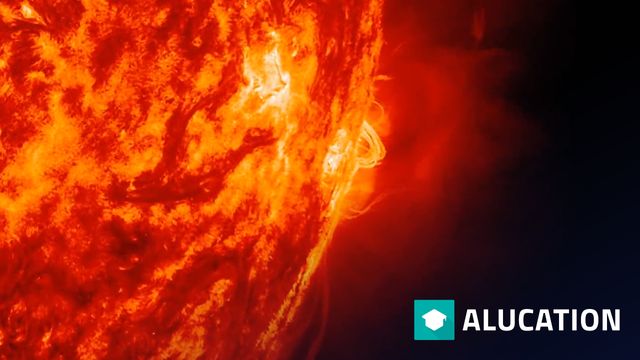
NASA ScienceCasts: Follow the Sun

The TSIS instrument on the International Space Station is continuing NASA's 40-year record of tracking the Sun's radiant energy. ISS Science: http://www.nasa.gov/iss-science NASA Science: http://science.nasa.gov/ Click here to see more videos: https://alugha.com/NASA

ScienceCasts: Southern Hemisphere Solar Eclipse

Visit http://science.nasa.gov/ for more. On Sunday, February 26th, the moon will pass in front of the sun, transforming rays of sunlight across parts of South America, southern Africa and Antarctica into fat crescents and thin rings of light. Click here to see more videos: https://alugha.com/NASA

ScienceCasts: Listening to the Stars

Visit http://science.nasa.gov/ for more. Deep in the heart of California’s Owens Valley, a strange-looking telescope stands in the desert landscape listening for echos of distant stars. Click here to see more videos: https://alugha.com/NASA
ScienceCasts: Ocean Worlds

Visit http://science.nasa.gov/ for more. We once thought oceans made our planet unique, but we’re now coming to realize that ‘ocean worlds’ are all around us. Click here to see more videos: https://alugha.com/NASA

ScienceCasts: The 2017 Total Solar Eclipse

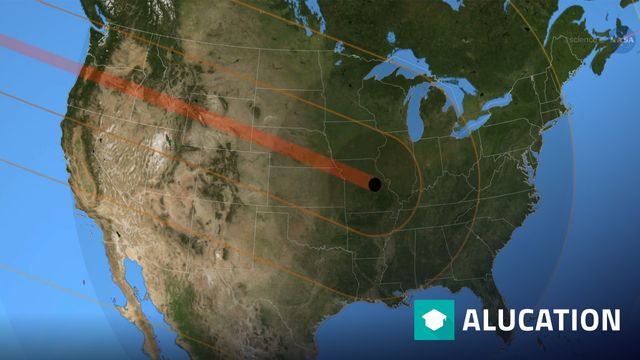
On August 21, 2017, a continent-spanning wave of instruments from home-made pinhole cameras to the most sophisticated telescopes in operation today will be trained on the Eclipse Across America. Click here to see more videos: https://alugha.com/NASA Visit http://science.nasa.gov/ for more. eclips
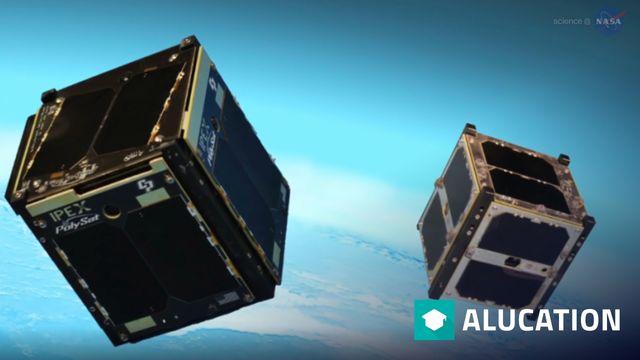
ScienceCasts: NASA Embraces Small Satellites

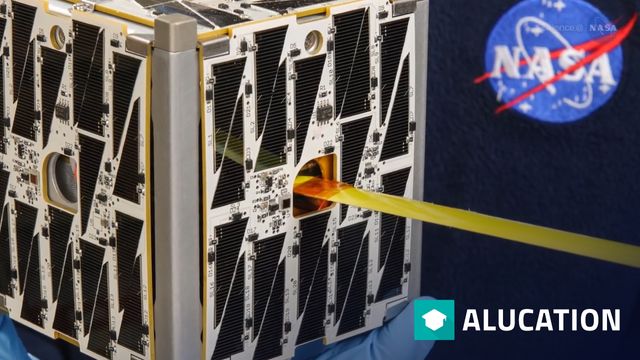
Visit http://science.nasa.gov/ for more. NASA is embracing small satellite designs, from tiny CubeSats to micro-satellites. These miniature marvels are providing many ways to collect science data and to demonstrate new technologies. Click here to see more videos: https://alugha.com/NASA

ScienceCasts: Twinkle Twinkle GPS

Dynamic bubbles of ionization in Earth's upper atmosphere can cause GPS signals to "twinkle" like stars, affecting the quality of navigation on Earth below. NASA recently conducted a mission called CINDI to investigate this phenomenon. Visit http://science.nasa.gov/ for more. Click here to see mor

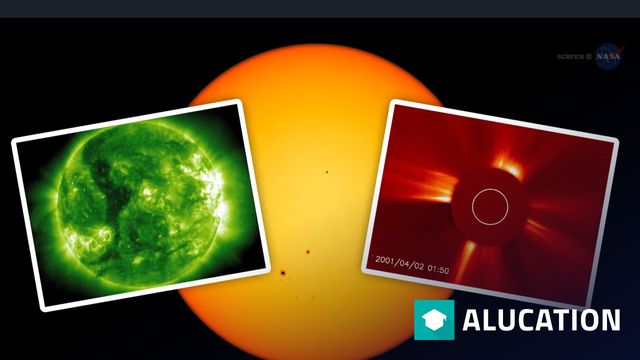
ScienceCasts: The Mystery of Coronal Heating

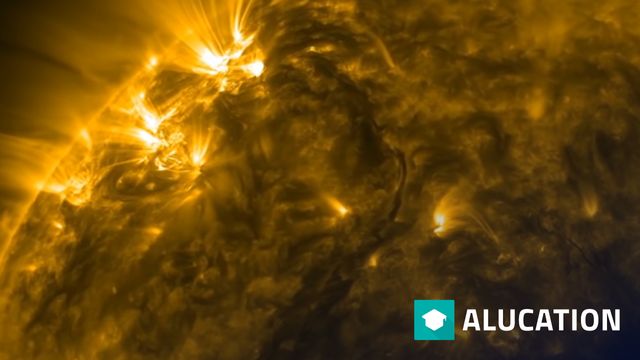
Observations by NASA's IRIS spacecraft suggest that "heat bombs" are going off in the sun's outer atmosphere, helping to explain why the solar corona is so mysteriously hot. Click here to see more videos: https://alugha.com/NASA Visit http://science.nasa.gov/ for more. https://iris.gsfc.nasa.gov/