Search results for “read along”

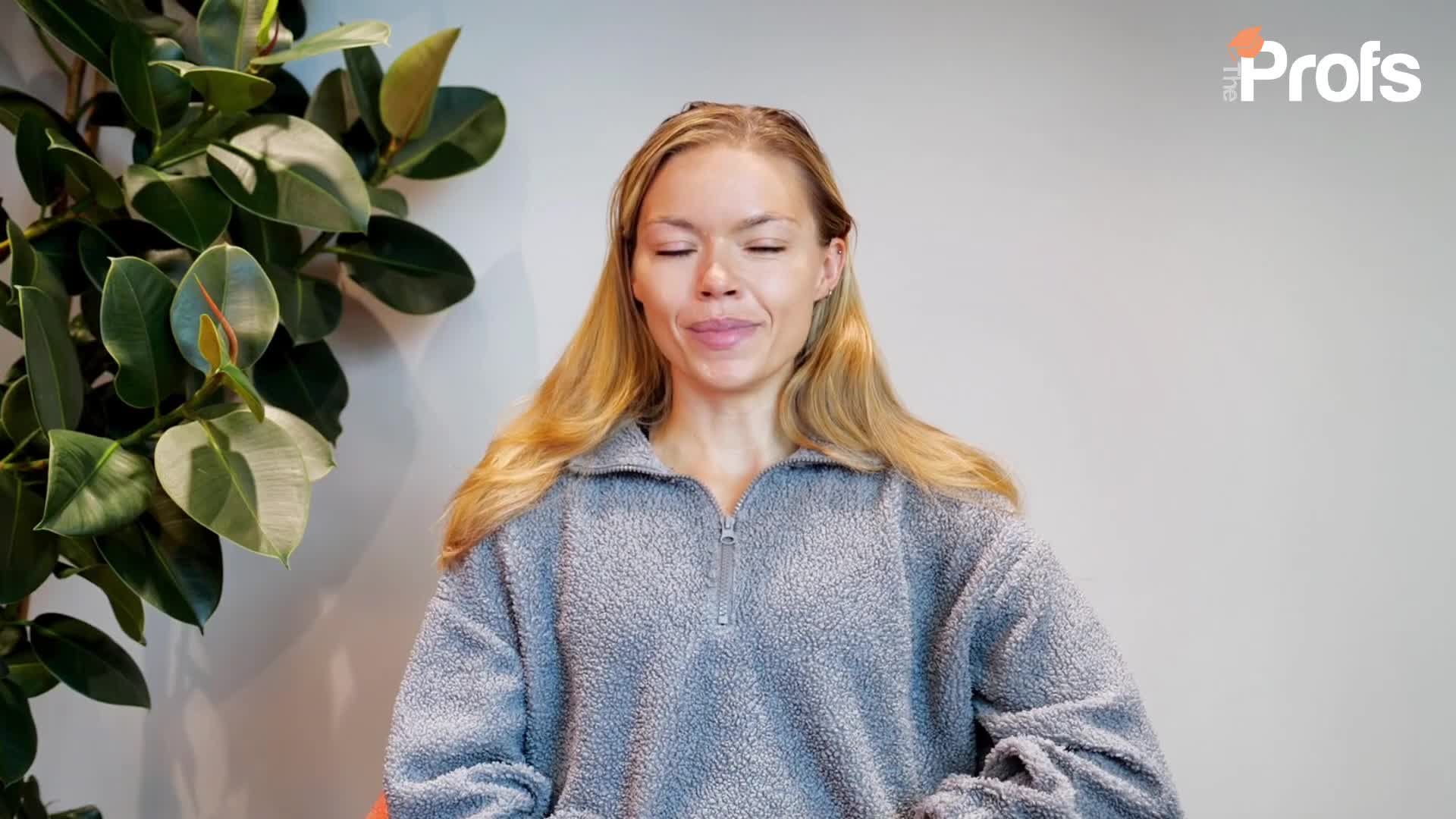
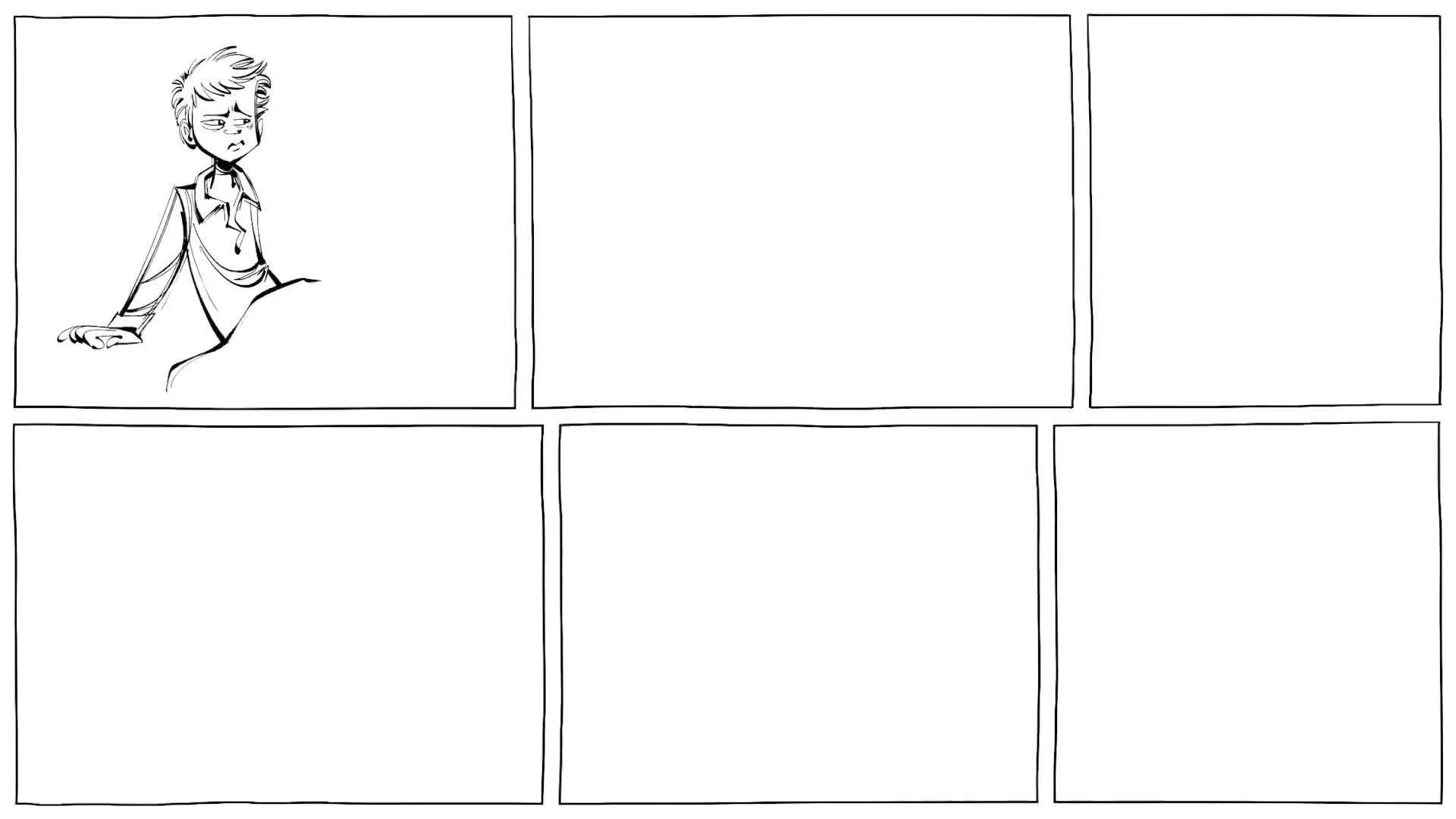
Reading Body Language 101

It’s not easy to read someone’s body language especially if you're unsure or not expressive. Experts agree that communication is 80% of our body language, and not what we say. Body language is a way in which we can get an understanding of how someone truly feels. So, how can you read someone’s body


Dyslexia Reading and writing problems

About 5-10% of all children are born with dyslexia. Children with dyslexia may swap numbers when reading, swap letters when they appear, or skip words when writing. Some see their handwritten letters upside down and others have problems with the grammar rules - writing correctly is often impossible.

HOW TO GET INTO CAMBRIDGE TO STUDY LAW

Eloise Skinner, a Cambridge graduate, former corporate lawyer and our university admissions expert, shares her insider knowledge on how to gain admission to Cambridge for a BA (Hons) in Law. Eloise has provided application support to countless students and has supported students with admission to th

NOVA: Percy Julian: Forgotten Genius | Getting an Education

Learn about the education of chemist Percy Julian. Julian's early educational years paralleled an educational movement that prepared African Americans for industrial jobs, the growing white supremacist movement, and the rise of the Ku Klux Klan. Julian would eventually move north, and finally to Eur

Black Hole Apocalypse | Gravity and Spacetime

Learn how gravity can be described as the curving of spacetime, according to Einstein’s general theory of relativity, in this video from NOVA: Black Hole Apocalypse. Computer animations illustrate the concept of warped spacetime and how objects “fall” along a curved path. Use this resource to visual

OCD

Obsessive-compulsive disorder (OCD) is a disorder in which a person has unwanted intrusive and repetitive thoughts that become obsessions. These obsessions cause sufferers to do things to alleviate thoughts, a behavior called compulsion. Since these learned rituals only provide temporary relief, the

The culture shock and the 4 stages of adaptation

When we move to another country, we are often exposed to a culture that is different from ours. We have to go through four phases of transition: honeymoon, frustration, adaptation and integration. Some people are enthusiastic about the foreign culture for months, while others are frustrated on the f

The Real Problem of Mental Health

Unlike a broken leg, your mental health – or lack thereof – has very complex origins. Schizophrenia, for example, often runs in families and could be mainly genetic. Anxiety disorders can be the result of genetic traits, prenatal stress, childhood trauma, and random events. Become a "Change Maker"