Search results for “Astrophysics”

NASA ScienceCasts: Two Sides of the Same Star

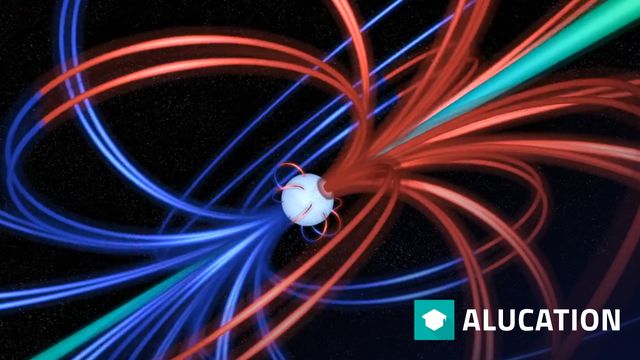
A neutron star comes from a large star that has run out of fuel, and exploded as a supernova. First it becomes a radio pulsar and later becomes a magnetar. Or maybe it’s the other way around! NASA Science: http://science.nasa.gov/ Click here to see more videos: https://alugha.com/NASA

What Happens at an Event Horizon?

For more Science Videos: https://lt.org/ * Every galaxy seems to have a supermassive black hole in its center. A black hole is defined as such because nothing can escape from a certain point inside, not even light. There is, however, a last stable orbit which is called the event horizon outside of w

ScienceCasts: The Special Ingredients... of Earth

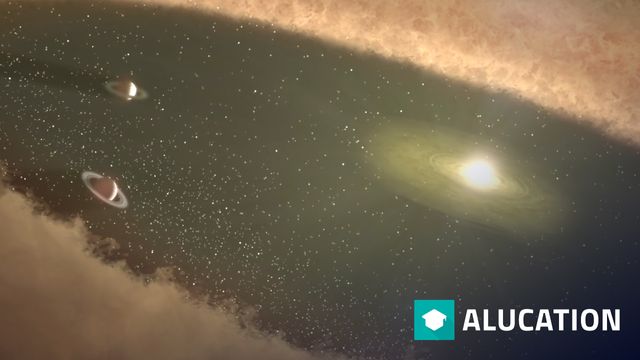
Researchers using a Japanese X-ray satellite with NASA participation have found the chemical ingredients of Earth-like planets in the Virgo cluster of galaxies. Click here to see more videos: https://alugha.com/NASA Visit http://science.nasa.gov/ for more.

ScienceCasts: NASA's Next Great Space Telescope

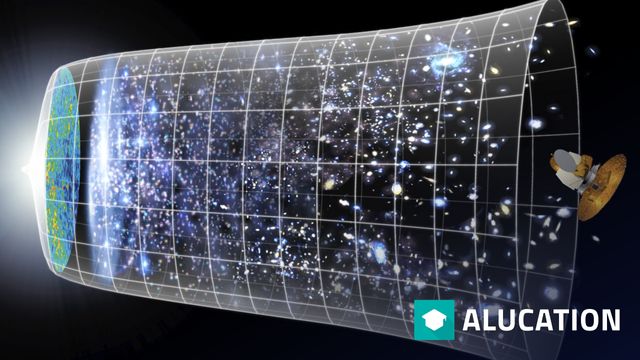
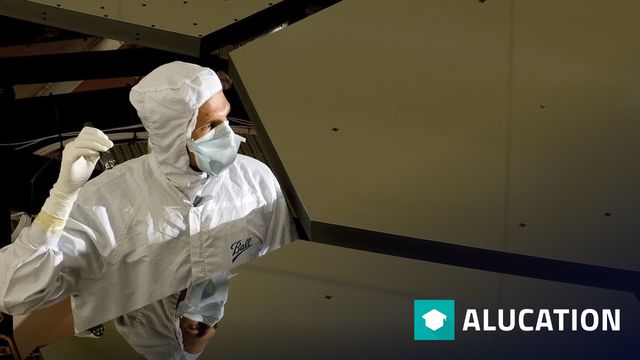
Click here to see more videos: https://alugha.com/NASA Visit http://science.nasa.gov/ for more. Assembly of NASA's next great space observatory, the James Webb Space Telescope, is underway. It will show researchers the first stars and galaxies that formed in the early universe. JWST WebbCam: http

ScienceCasts: The Mystery of High-Energy Cosmic Rays

The cosmic ray detector known as CREAM is headed for the International Space Station, with a goal of measuring the highest energy possible for direct measurement of high-energy cosmic rays. Visit http://science.nasa.gov/ for more. New Mission Going to the Space Station to Explore Mysteries of 'Cos

ScienceCasts: Ocean Worlds

Visit http://science.nasa.gov/ for more. We once thought oceans made our planet unique, but we’re now coming to realize that ‘ocean worlds’ are all around us. Click here to see more videos: https://alugha.com/NASA

ScienceCasts: Readying the Webb Telescope for Launch

Click here to see more videos: https://alugha.com/NASA Visit http://science.nasa.gov/ for more. Stringent testing is underway to prove the James Webb Space Telescope can handle an Earth-shaking take-off and still capture the universe’s first light while deeply ensconced in the hyper-cold of space.