Search results for “genome editing”

Human Genome Project

In this video segment from NOVA: "Cracking the Code of Life," Eric Lander of MIT's Whitehead Institute explains the effort to decode the human genome—from motivation to process to importance—and explains what a genome map can and cannot yet do for science. This video is available in both English and

Who can edit on Wikipedia?

Who can edit and contribute to Wikipedia? And what are semi-protected articles? We explain the different user roles in Wikipedia and how Wikipedia protects its knowledge. This video was produced in cooperation with Wikimedia Germany. Click here to see more videos: https://alugha.com/mysimpleshow

Who can edit on Wikipedia?

Click here to see more videos: https://alugha.com/mysimpleshow Who can edit and contribute to Wikipedia? And what are semi-protected articles? We explain the different user roles in Wikipedia and how Wikipedia protects its knowledge. This video was produced in cooperation with Wikimedia Germany.

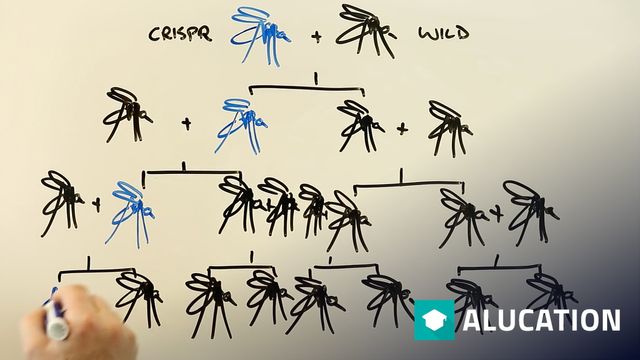
What's a gene drive?

A gene drive is a radical new way of re-engineering the genetic makeup of an entire species - including harmful insects like the mosquito. But as the technology steams head, fueled by powerful gene editing techniques coming out of synthetic biology like CRISPR Cas9, what are the risks, and how can w

23andMe, FDA and DNA health profiling

Are companies that provide direct-to-consumer information on their personal genome -- including genetic susceptibility to disease -- creating new health risks that need to be regulated? On November 22 2013, the US Food and Drug Administration requested that the personalized DNA analysis company 23a

The British Covid-mutant and its effects

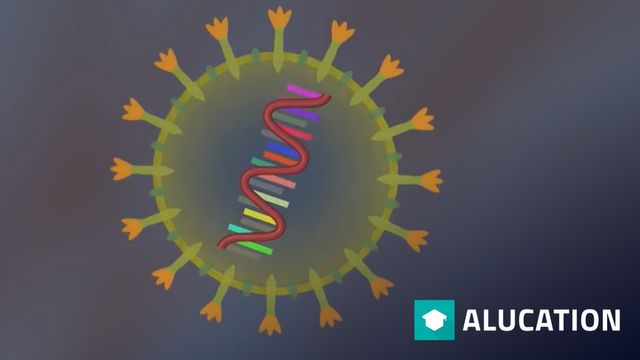
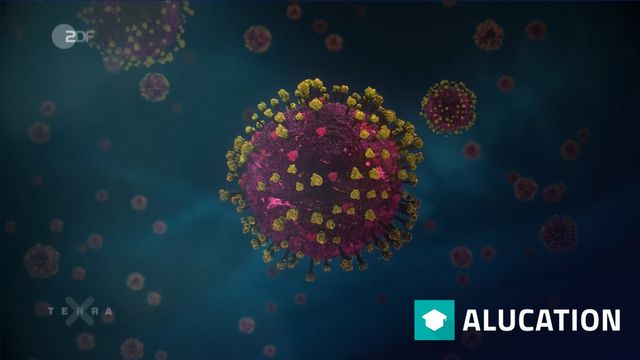
All viruses change over time. When a virus captures a host cell, it allows its genome to replicate, and new variants with small changes emerge. However, the English variant of Sars-Cov-2 has an unusually large number of mutations. Authors: ZDF/Terra X/WENDEVARGA/Christine Haak, Frank Siegwart, Albr

Attack of retroviruses

Like other viruses, retroviruses attack cells and force them to produce more retroviruses. This is only the first stage of the attack, because retroviruses implant into the genome and become part of our DNA. Authors: 3sat/nano/Docstation/Johan von Mirbach/Anna Grün/Riccardo Giese/Nico Schlegel, Max