Search results for “rotation”

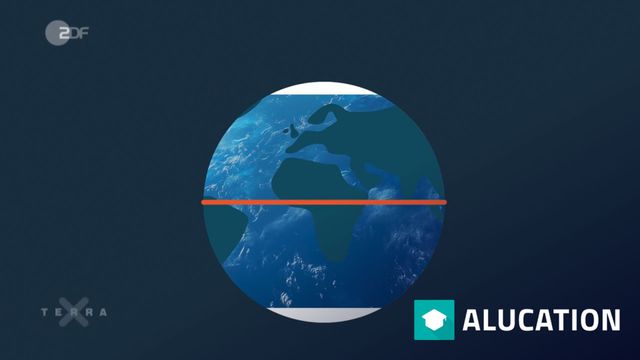
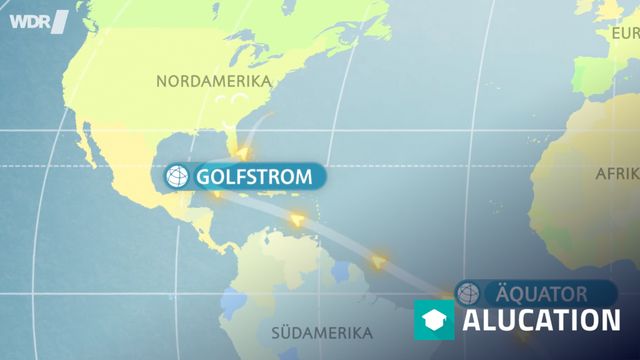
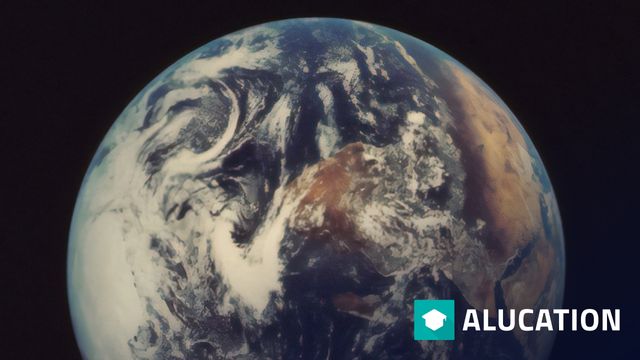
The Coriolis Effect Due to Earth's Rotation

Learn how Earth’s rotation causes the Coriolis effect, with this video from NOVA. Use this resource to visualize the abstract concept of the Coriolis effect and to provide opportunities for students to use evidence to support a claim about the influence of the Coriolis effect on hurricanes, jet stre


Q 11 Mutarotation in glucose

alpha-glucose and beta-glucose are in balance. This can be demonstrated by measuring the angle of rotation of linearly polarized light. Original: "Wolfgang Dukorn" Original: German. All translations in this video have been done by the alugha AI.

The Polarimeter - Setup and Measurement

The polarimeter is an important measuring instrument for determining the specific angle of rotation of an optically active substance. This first video is exclusively about the construction of a polarimeter. Afterwards, a short measurement is also carried out. Only in another video will I explain how

Why Do We Have Leap Years?

Every four years, we get an extra day in February. Who decided this, and what's the point? Follow Us! https://twitter.com/LifeNoggin https://facebook.com/LifeNoggin Click here to see more videos: https://alugha.com/LifeNoggin Life Noggin is a weekly animated educational series. Whether it's scie

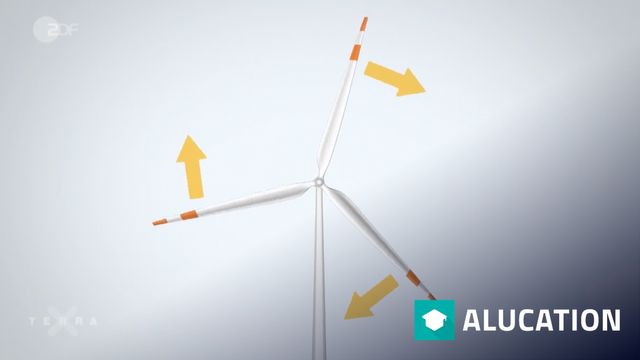
How does a wind turbine work?

Wind turbines use the energy of the wind and convert it into electricity. In doing so, they use the physical principle of buoyancy. Author: ZDF/Pur+/Autorenkombinat/Tobias Schönke/Rita Gerhardus-Faust/Jochen Schmidt Translation and dubbing: alugha Click here to see more videos: https://alugha.com

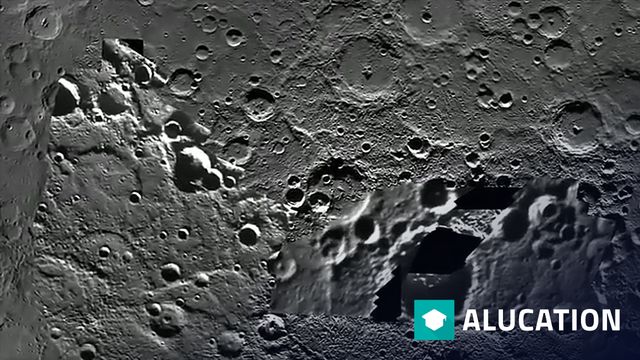
What's Unusual About Mercury? | NASA Planetary Sciences

Discover why Mercury has a tail like a comet, and why its poles are covered in ice despite its close proximity to the Sun. Mercury, the closest planet to the Sun, rotates three times on its axis every two of its years. Despite having temperatures that are hot enough to melt lead, the tilt of the pla

Jupiter: The Largest Planet

Explore our solar system's largest planet, Jupiter, including its role in the evolution of the solar system in this video from NASA. Dramatic visualizations and satellite images show Jupiter's size compared with Earth, its fast rotation, and its dynamic cloud systems (including the famous Great Red