Search results for “sieć Operations Center”

Skinner's Operant Conditioning

Operant conditioning, also known as learning from success, is based on the assumption that we can reinforce or decrease a certain behavior by adding a consequence. For example, if a dog makes a pile on the carpet, we can either reinforce the behavior so that the dog does it again. Or we punish him
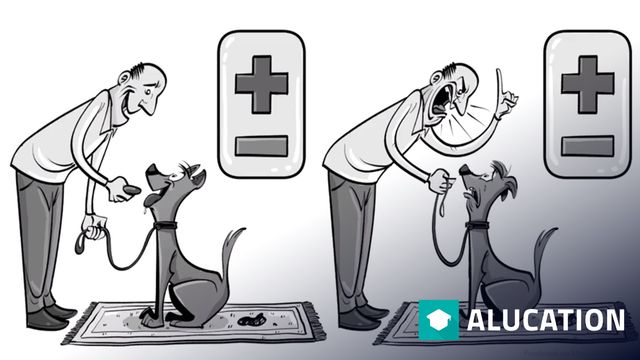
Skinner’s Operant Conditioning: Rewards & Punishments

Operant conditioning is based on the idea that we can increase or decrease a certain behavior by adding a consequence. Script: Selina Bador Artist: Pascal Gaggelli Voice: Mithril Recording: Notienatsu Editing: Peera Lertsukittipongsa Creative Director: Jonas Koblin Made with MinuteVideos This vide

Antarctic station GARS O'Higgins

14,205 kilometres from Berlin, storms rage across the Antarctic Peninsula at speeds of up to 250 kilometres per hour. Perched on the northern tip, the German Antarctic Receiving Station GARS O'Higgins, operated by the German Aerospace Center (Deutsches Zentrum für Luft- und Raumfahrt; DLR) has defie

Inverse Functions | Algebra | Maths | FuseSchool

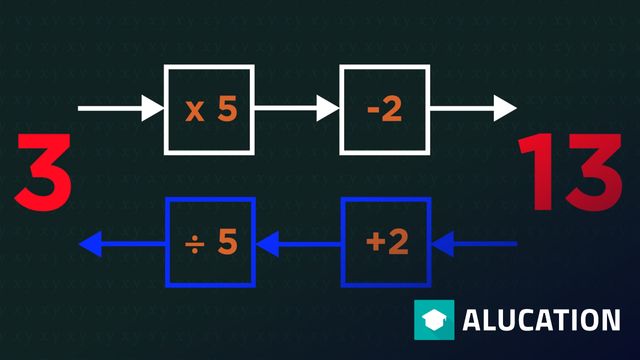
Every operation has an opposite. With functions the opposite is called the inverse function. It undoes the function and returns you to the initial input. There is a simple process to follow to find the inverse of any function which we look at in this video. 1) Start by writing the function as y=

Q 11 Stereoisomerism

Asymmetrical carbon atoms (chirality centers) and thus the stereoisomerism are explained. Using the example of glucose. Original: "Wolfgang Dukorn" Original: German. All translations in this video have been done by the alugha AI.

How Do Feelings of Happiness Arise?

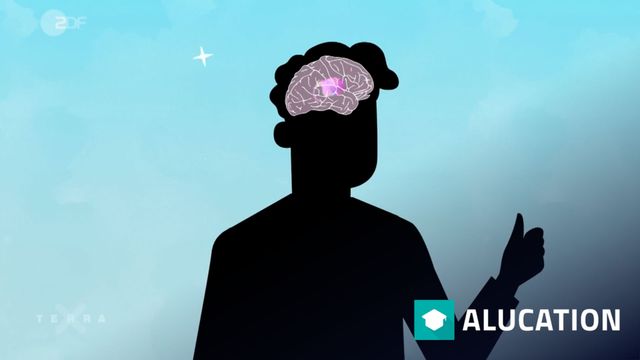
Feelings of happiness come from the brain’s own opioids. Material things activate the brain's reward center, however, they only create a brief sense of happiness. Social rewards last longer, as they activate areas of the cerebral cortex. Authors: ZDF/Terra Xpress/Autorenkombinat/Birthe Heer/Maximil

The art of text (rendering)

Typography is the art of arranging type to make written language legible, readable, and appealing when displayed. However, for the neophyte, typography is mostly apprehended as the juxtaposition of characters displayed on the screen while for the expert, typography means typeface, scripts, unicode,