Search results for “TED Ed”

3 tips to boost your confidence - TED-Ed

View full lesson: http://ed.ted.com/lessons/3-tips-to-boost-your-confidence-ted-ed Made in partnership with the Always #LikeAGirl campaign. When faced with a big challenge where potential failure seems to lurk at every corner, you’ve probably heard the advice, “Be more confident!” But where does c
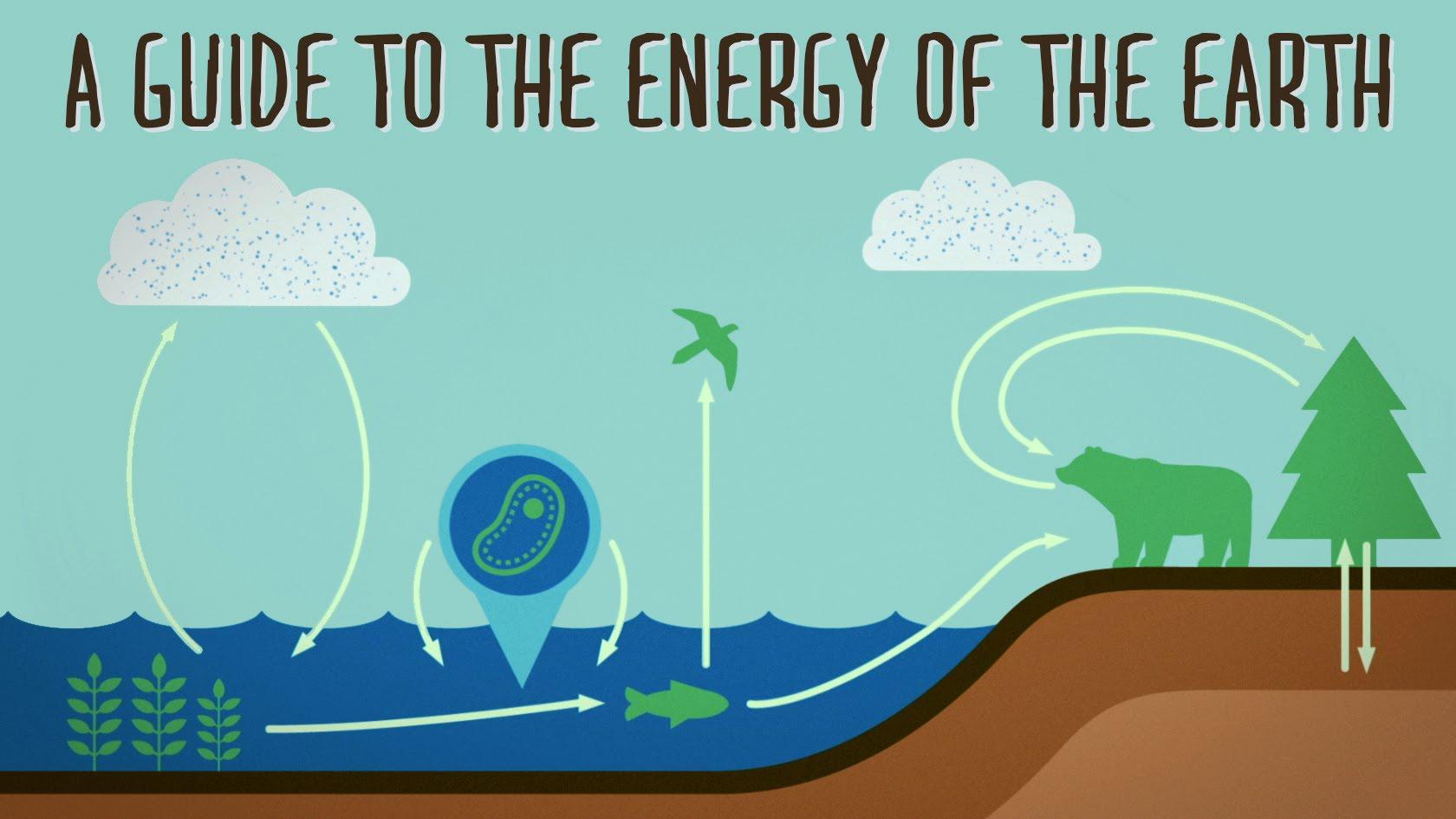
A guide to the energy of the Earth - Joshua M. Sneideman

View full lesson: http://ed.ted.com/lessons/a-guide-to-the-energy-of-the-earth-joshua-m-sneideman Energy is neither created nor destroyed — and yet the global demand for it continues to increase. But where does energy come from, and where does it go? Joshua M. Sneideman examines the many ways in wh

A day in the life of a Roman soldier - Robert Garland

Check out our Patreon page: https://www.patreon.com/teded View full lesson: https://ed.ted.com/lessons/a-day-in-the-life-of-a-roman-soldier-robert-garland The year is 15 CE, and the Roman Empire is prospering. Most of the credit will go to the emperor, but this success wouldn’t have been possible

David Lang: My underwater robot

David Lang is a maker who taught himself to become an amateur oceanographer -- or, he taught a robot to be one for him. In a charming talk Lang, a TED Fellow, shows how he and a network of ocean lovers teamed up to build open-sourced, low-cost underwater explorers.nnTEDTalks is a daily video podcast

How a wound heals itself - Sarthak Sinha

View full lesson: http://ed.ted.com/lessons/how-a-wound-heals-itself-sarthak-sinha Our skin is the largest organ in our bodies, with a surface area of about 20 square feet in adults. When we are cut or wounded, our skin begins to repair itself through a complex, well-coordinated process. Sarthak Si

How did clouds get their names? - Richard Hamblyn

View full lesson: http://ed.ted.com/lessons/how-did-clouds-get-their-names-richard-hamblyn The study of clouds has always been a daydreamer’s science, aptly founded by a thoughtful young man whose favorite activity was staring out of the window at the sky. Richard Hamblyn tells the history of Luke

The language of lying — Noah Zandan

View full lesson: http://ed.ted.com/lessons/the-language-of-lying-noah-zandan We hear anywhere from 10 to 200 lies a day. And although we’ve spent much of our history coming up with ways to detect these lies by tracking physiological changes in their tellers, these methods have proved unreliable. I

What would happen if you didn’t sleep? - Claudia Aguirre

View full lesson: http://ed.ted.com/lessons/what-would-happen-if-you-didn-t-sleep-claudia-aguirre In the United States, it’s estimated that 30 percent of adults and 66 percent of adolescents are regularly sleep-deprived. This isn’t just a minor inconvenience: staying awake can cause serious bodily

Where did Earth’s water come from? - Zachary Metz

View full lesson: http://ed.ted.com/lessons/where-did-earth-s-water-come-from-zachary-metz Water covers over 70% of the Earth, cycling from the oceans and rivers to the clouds and back again. It even makes up about 60% of our bodies. But in the rest of the solar system, liquid water is almost impos

How computers translate human language - Ioannis Papachimonas

View full lesson: http://ed.ted.com/lessons/how-computers-translate-human-language-ioannis-papachimonas Is a universal translator possible in real life? We already have many programs that claim to be able to take a word, sentence, or entire book in one language and translate it into almost any othe

Where did Russia come from? - Alex Gendler

View full lesson: http://ed.ted.com/lessons/where-did-russia-come-from-alex-gendler Russia is the biggest country in the world, spanning one-eighth of the earth’s landmass. But where did it all begin? Alex Gendler explores the epic history of the Kievan Rus, where characters ranging from Viking rai