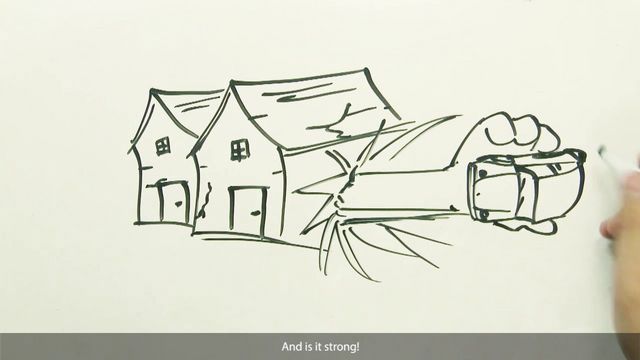
Tsunami Fast Draw
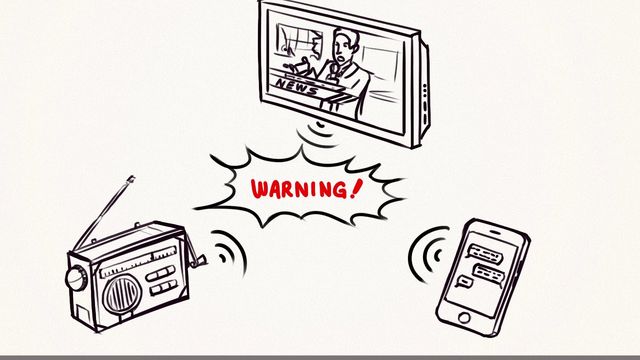
Know what to do if a tsunami hits—and the risks you face. Original video source: https://coast.noaa.gov/gallery/videos/tsunamifastdraw/video.html
Know what to do if a tsunami hits—and the risks you face. Original video source: https://coast.noaa.gov/gallery/videos/tsunamifastdraw/video.html
Know the risks of storm surge, and what to do when a storm approaches. Original video source: https://coast.noaa.gov/gallery/videos/stormsurgefastdraw/video.html
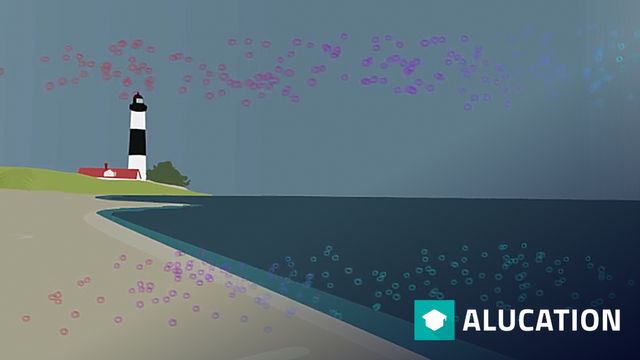
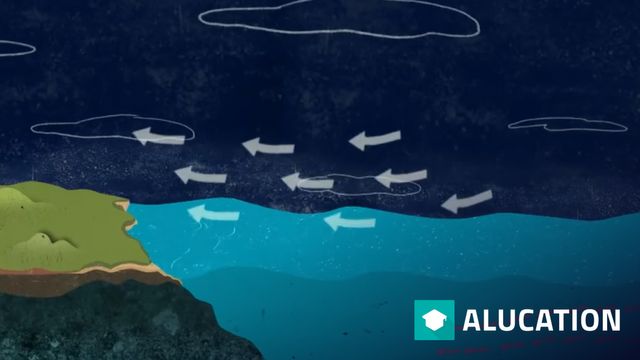
When air is in motion, wind is created. Temperature differences are responsible for this. When air warms up, it rises and colder air flows in. This is the cool wind that we feel. There is almost always wind on the coasts. Author: ZDF/Pur+/Autorenkombinat/Tobias Schönke/Carina Schulz/Jochen Schmidt
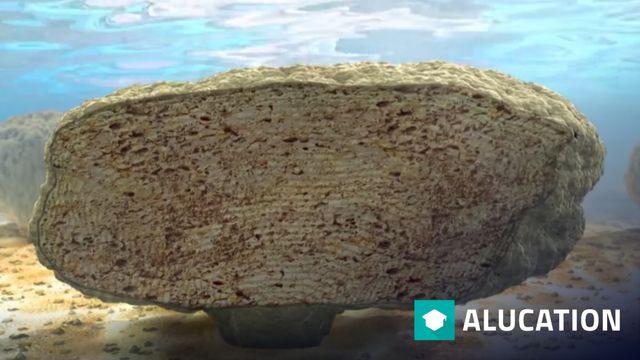
Stromatolites are calcareous deposits. The stones can be up to 3.5 billion years old. For a long time they were known only as fossils, until 1956, when a "living" colony of stromatolites was discovered off the west coast of Australia. Author: ZDF/Terra X/Viking Film/Iris Gesang/Andreas Kieling, Fra
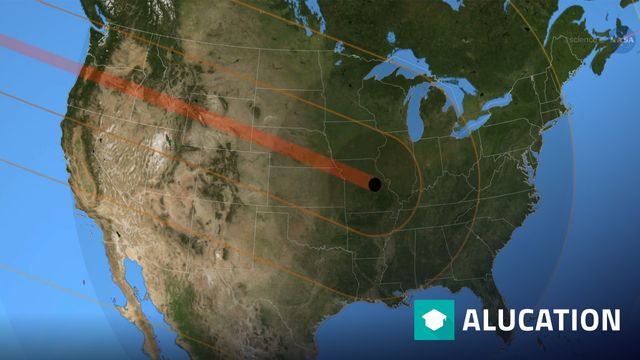
Click here to see more videos: https://alugha.com/NASA Visit http://science.nasa.gov/ for more. The Perseid meteor shower will peak on August 11, 12, and 13, and a Total Solar Eclipse will be visible in the United States from coast to coast on August 21. (This video is from 2017)
Sea level can deviate regionally from the global mean. Wind and currents push the water masses differently against the coasts and influence the level there. In addition, the earth's crust moves. Some coasts rise, others sink. Author: 3sat/nano/mobyDOK/Alexander Lahl/Max Mönch/Jean Schablin/Robert
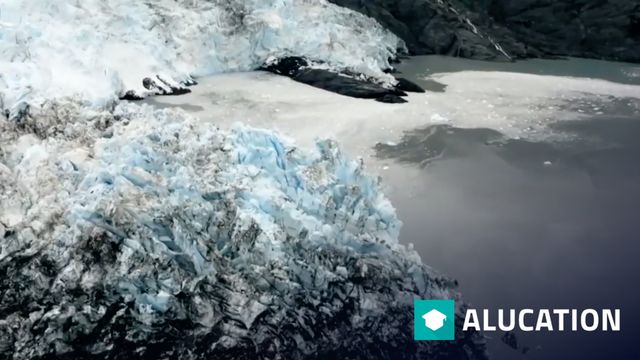
The Barry Glacier on Alaska's southern coast is located on one of many fjords that are extremely vulnerable to climate change. Researchers suspect that the melting glacier could cause large debris avalanches. Author: ZDF/Terra X/Region Five/I. Zink/O. Roetz/Maximilian Mohr Translation and dubbing:
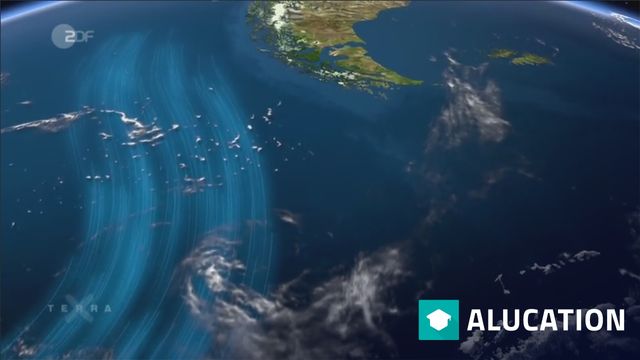
This ocean current transports cold, nutrient-rich deep water from Antarctica northward along the west coast of South America. Every second it moves 15 million cubic meters of water, about 75 million full bathtubs. Author: ZDF/Terra X/R.Marel/S.Hillmann/C.Gerisch/A.Kindler/SpiegelTV/Maximilian Mohr
This video, adapted from material provided by the ECHO partners, shows the changes that have been observed in Barrow, Alaska, due to a warming climate. The Iñupiaq people who live in Barrow present their observations of these changes based on their centuries-old knowledge of their environment, and d
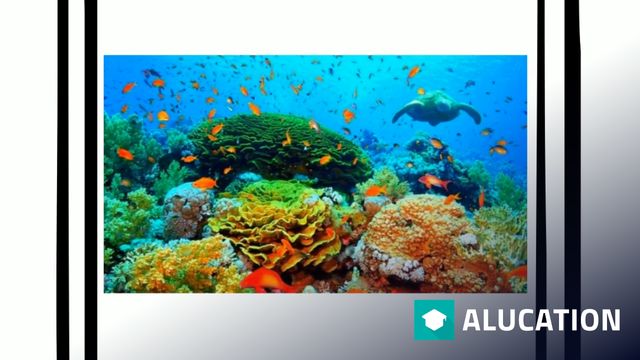
The Great Barrier Reef is located off the coast of Northern Australia and is one of the 7 natural wonders of the world. Due to the effects of Global Warming the reef is struggling to keep itself alive. In 2016 and 2017, large parts of the reef experienced severe cyclone damage and 'coral bleaching'
Reports of GNSS interference in the Baltic Sea have become almost routine — airplanes losing GPS, ships drifting off course, and timing systems failing. But what happens when a group of engineers decides to build a navigation system that simply *doesn’t care* about the jammer? Since 2017, we’ve bee
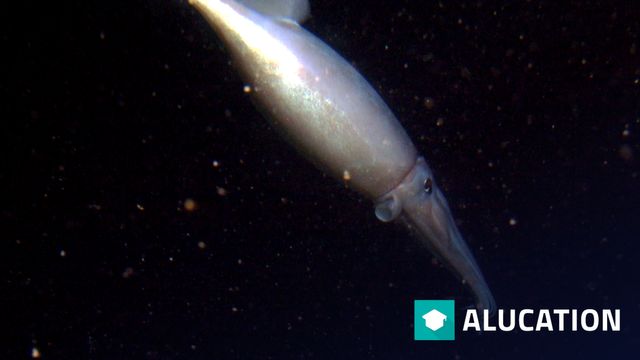
The Humboldt squid is also known as the red devil squid and the jumbo flying squid. These cephalopods don't quite reach the gargantuan sizes of giant and colossal squid, but they can still pack a punch with their fist sized beaks. Humboldt squid live along the Pacific coasts of the Americas partakin