Conditional probability with two-way table and tree diagram, math by Daniel Jung
Conditional probability with two-way table and tree diagram
Conditional probability with two-way table and tree diagram
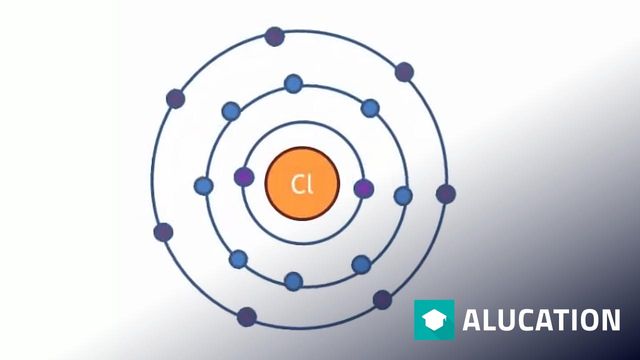
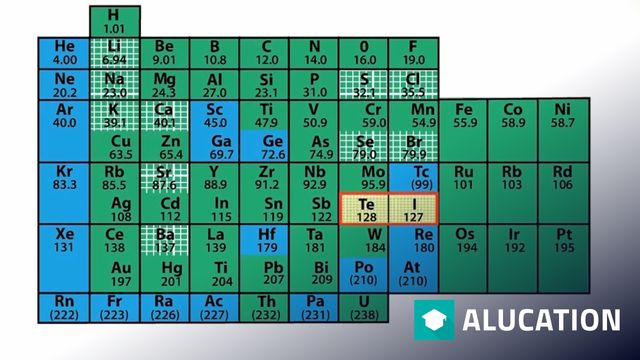
Learn the basics about Periods and groups in the periodic table. Groups and periods are two ways of categorizing elements on the periodic table. How do you tell them apart and how do they related to periodic table trends? Find out more in this video! VISIT us at www.fuseschool.org, where all of our
Learn the basics about How the elements are laid out in the periodic table? Why are they all named and placed that way? Find out more in this video! Click here to see more videos: https://alugha.com/FuseSchool This video is part of 'Chemistry for All' - a Chemistry Education project by our Charity
Click here to see more videos: https://alugha.com/FuseSchool In this video, we’re going to look at frequency tables. These numbers are enough to give someone a headache and there's only 200 of them. Lots of datasets have thousands or even millions of pieces of data, so we need to collect and reco
Do you find yourself having a hard time in the dating world? Do you feel like you’re doomed to fail because you don’t look a certain way? Being attractive isn’t just about how you look. The way you act, how you treat others, and how you make them feel can all affect how attractive you appear to othe
Have you ever fallen victim to a narcissist? Narcissists are smart, manipulative and will not give up on achieving what they want to. Outsmarting a Narcissist is considered to be science; you can’t use rational logic because unfortunately, the narcissistic brain is pathological. Narcissist's brains
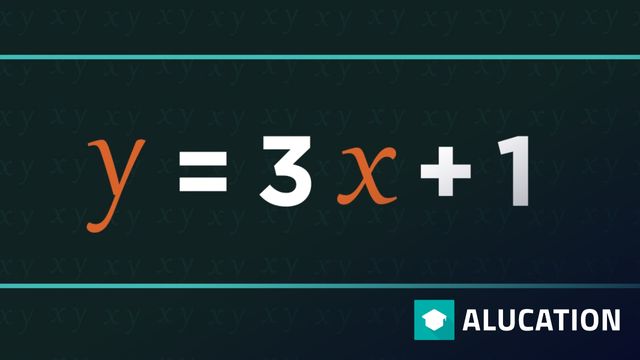
In this video we’re going to look at how to use substitution in equations to generate a table of ordered pairs. Ordered pairs (coordinates) can be used to solve equations, to plot graphs, and so we come across them a lot in Maths. You should already know how to substitute into equations, and how t
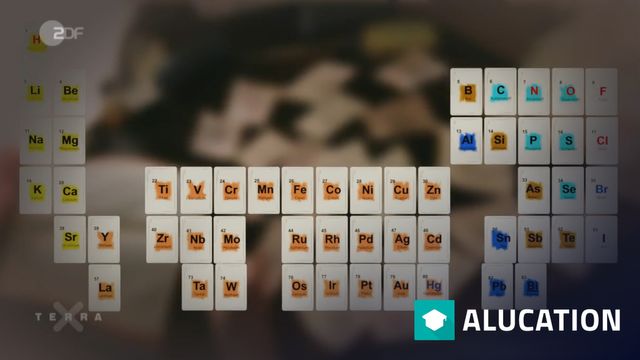
In the mid-19th century, the nature of the elements was still largely unknown. In 1869, Russian chemist Dimitri Mendeleev develops the periodic table, which is still valid today with slight adjustments. Authors: ZDF/Terra X/T. Schrader/J. Koester/F. Steinhardt/Caligari/Moods in Pictures/Maximilian
A video from Waterpedia on #WaterWednesday 10 ways to conserve water 💧💦 Waterpedia Environmental Learning Series Follow us on: https://www.linkedin.com/company/Waterpedia https://www.facebook.com/Waterpedia https://www.pinterest.com/Waterpedia https://twitter.com/WaterpediaWiki https://plus.goog
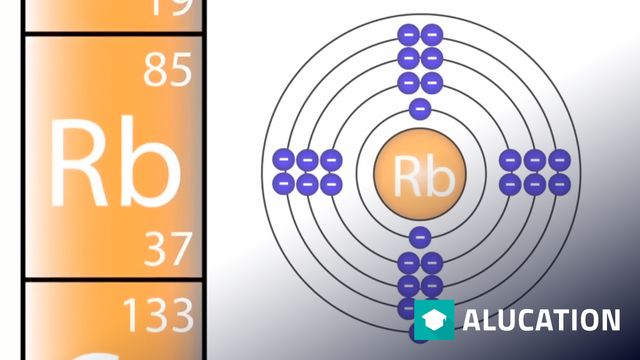
Learn the basics about Group 1, as an example of Groups in the periodic table. Click here to see more videos: https://alugha.com/FuseSchool This Open Educational Resource is free of charge, under a Creative Commons License: Attribution-NonCommercial CC BY-NC ( View License Deed: http://creativeco
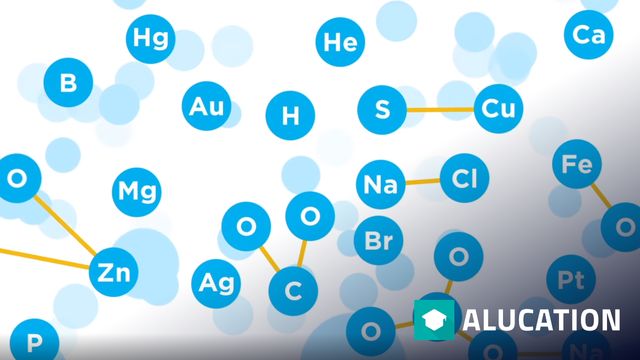
The (truly) Periodic Table is an animated film that tells you everything you ever wanted to know about the Periodic Table: why it has this shape, how the elements are organized, how they combine or ... not really! Produced by the Science Office for the University of Aveiro, in the framework of the
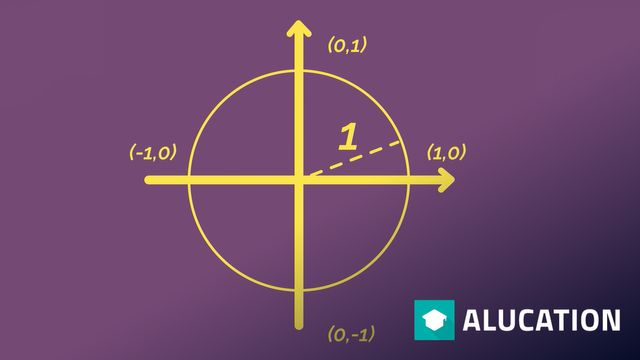
There are some key angles that have exact values in trigonometry. The ones we need to know are 0, 30, 45, 60 and 90. In this video we will discover one method of remember what these values are - using a table. In the second part we will discover a different method (using our fingers) which you may p