Search results for “Behavioral Imitation”

John B. Watson – Behavioral Science

John B. Watson had famously claimed that he, a dozen healthy infants, could mold into anything. To doctors, lawyers, artists, beggars or thieves, regardless of their origin or genetic predisposition. Special thanks to our Patreons: Avigail, Badrah, Cedric Wang, David Markham, Denis Kraus, Don Bone,


Cognitive behavioral therapy

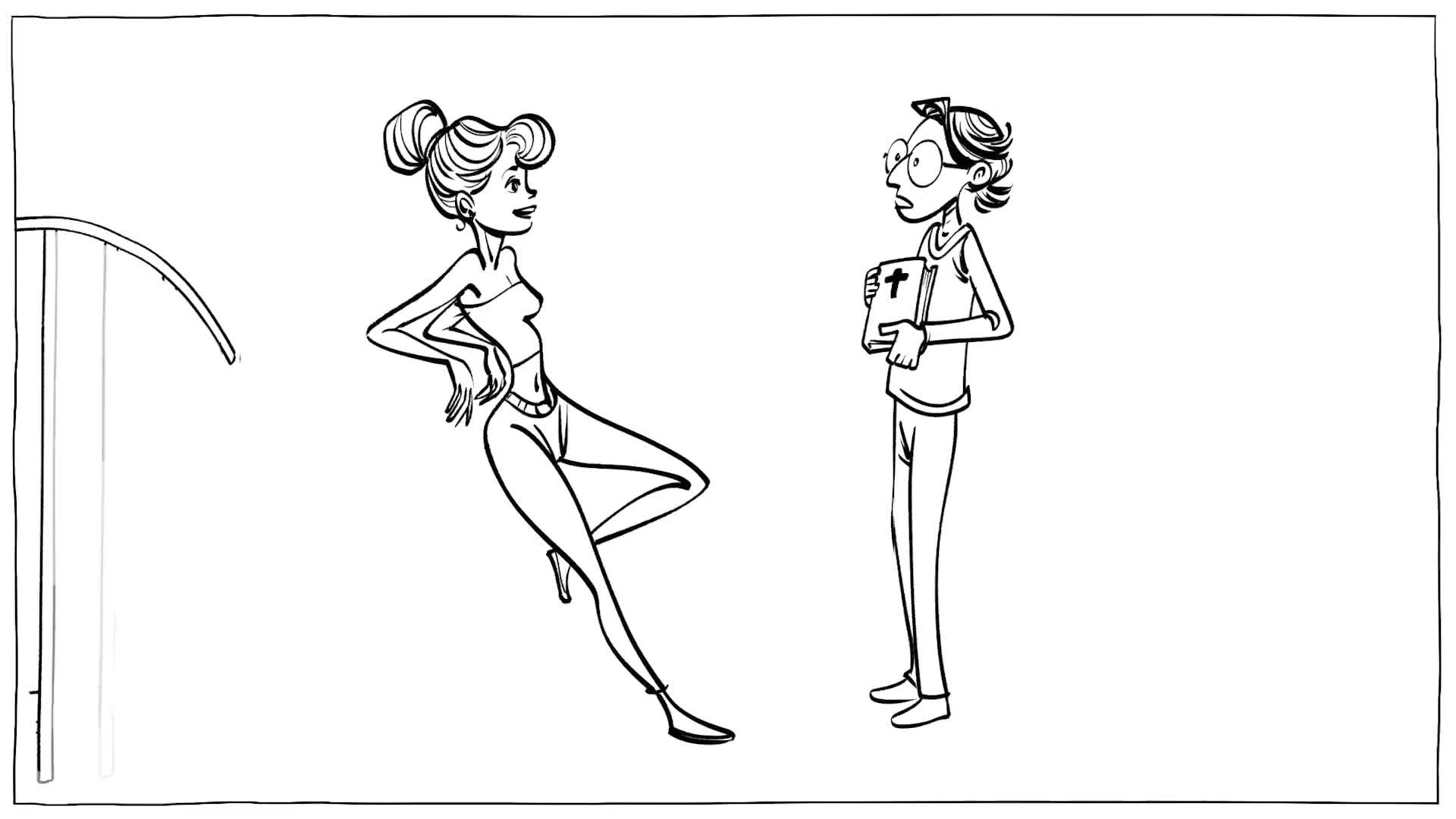
Cognitive behavioral therapy was developed by Aaron Temkin Beck in 1964 and is often used to help people with phobias, depression, fears, or addictions. Follow the story of Lily to see how it can be used to treat school anxiety. Read the full script here: https://docs.google.com/document/d/1ZFYLJCf

6 Behaviors That Make Someone Chase You

Are you looking for dating advice on how to make someone chase you? Psychologists and researchers have long been developing studies to find out what exactly it is that makes someone attractive. Good looks? Pleasant voice? Positive attitude? While these are goals anyone would want to achieve, indeed

Skinner’s Operant Conditioning: Rewards & Punishments

Operant conditioning is based on the idea that we can increase or decrease a certain behavior by adding a consequence. Script: Selina Bador Artist: Pascal Gaggelli Voice: Mithril Recording: Notienatsu Editing: Peera Lertsukittipongsa Creative Director: Jonas Koblin Made with MinuteVideos This vide

Skinner's Operant Conditioning

Operant conditioning, also known as learning from success, is based on the assumption that we can reinforce or decrease a certain behavior by adding a consequence. For example, if a dog makes a pile on the carpet, we can either reinforce the behavior so that the dog does it again. Or we punish him

Watson’s Theory of Behaviourism

John B. Watson famously claimed that if he were to be given a dozen healthy infants, he could shape them into anything; doctors, lawyers, artists, beggars, or thieves, regardless of their background or genetic predispositions. First, he completed experiments with 8-month old Albert. He later applied