Search results for “Perception de la parole”

Visual Perception – How It Works

Click here to see more videos: https://alugha.com/mysimpleshow Every day we perceive many visual impressions. We can differentiate a multitude of colors in a bunch of flowers, and we can respond in a matter of seconds when driving a car. But what do we actually know about visual perception? Learn t

How Childhood Trauma Distort Your Perception on Life

Some people experience trauma at an early age and robs them of this sense of safety and security, and they often grow up to carry that trauma with them well into their adulthood. Defined as “the experience of a single or multiple events by a child that is emotionally painful or distressful,” studie

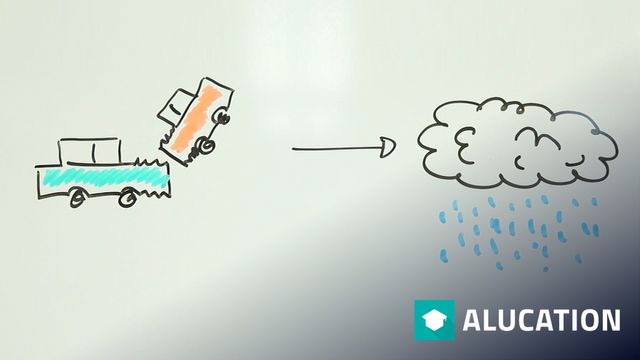
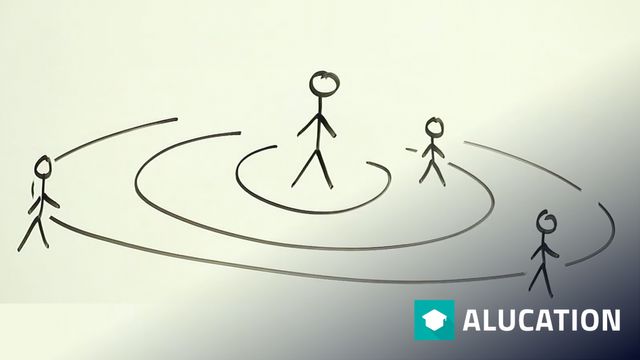
What have feelings got to do with risk?

Risk is not just a number -- it also involves how we feel about things. This week Risk Bites introduces Dr. Brian Zikmund-Fisher, who will be talking more in future videos about how we perceive and feel about risk, and what this means about the risk decisions we make. This week's Risk Bites team:

Do you want to save someone's life | DKMS Germany

Of course you would save someone's life! But why don't you do it? 🤔 It's mega easy! In our video, we'll tell you just three short steps. 💪 It's really easy: open your mouth. Chopsticks in. Be a donor. Order your registration set on dkms.de/yt-registrierung and become a stem cell donor. Maybe you

Dyslexia Reading and writing problems

About 5-10% of all children are born with dyslexia. Children with dyslexia may swap numbers when reading, swap letters when they appear, or skip words when writing. Some see their handwritten letters upside down and others have problems with the grammar rules - writing correctly is often impossible.

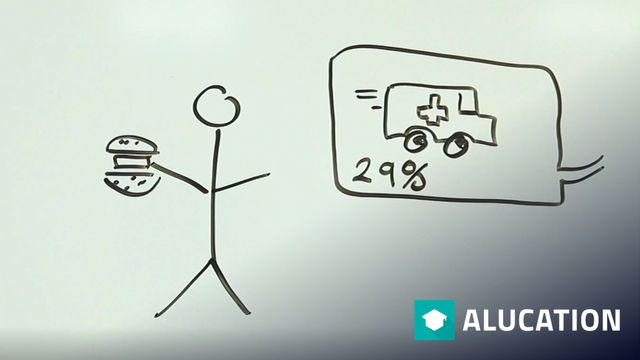
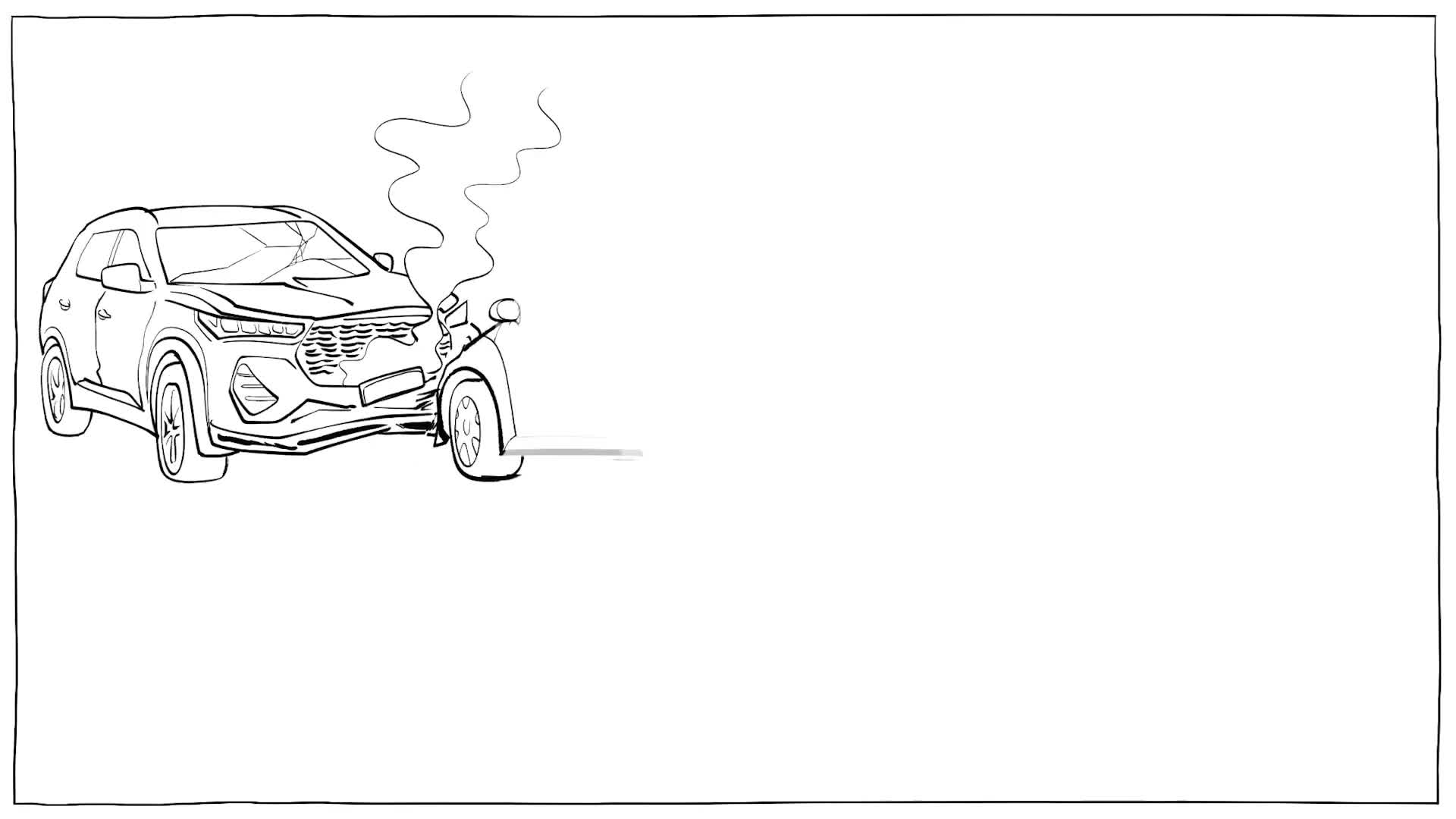
Why don't people take measles more seriously?

How do you decide whether you should be worried about communicable diseases like measles? University of Michigan’s Professor Brian Zikmund-Fisher returns to Risk Bites to explain the "availability heuristic" – the way we all use our memory and feelings to inform our risk perceptions about infectious