Search results for “Ed Wood”

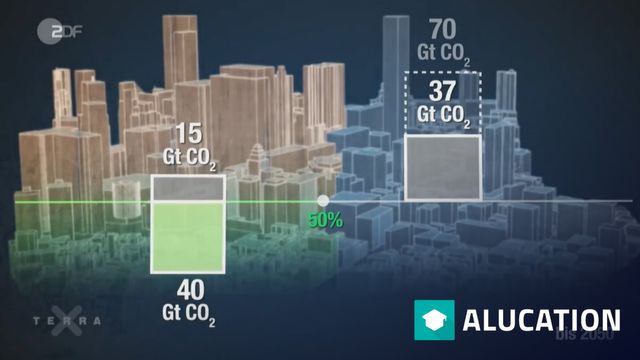
Climate friendly building with wood

Building with wood could make an enormous difference to the climate balance of our cities. Less CO2 emissions and more CO2 storage in wood would be the positive consequences. Author: ZDF/Terra X/J. Kneser/J. Balducci/A. Laugier/Maximilian Mohr Translation and dubbing: alugha Click here to see mor

3 tips to boost your confidence - TED-Ed

View full lesson: http://ed.ted.com/lessons/3-tips-to-boost-your-confidence-ted-ed Made in partnership with the Always #LikeAGirl campaign. When faced with a big challenge where potential failure seems to lurk at every corner, you’ve probably heard the advice, “Be more confident!” But where does c

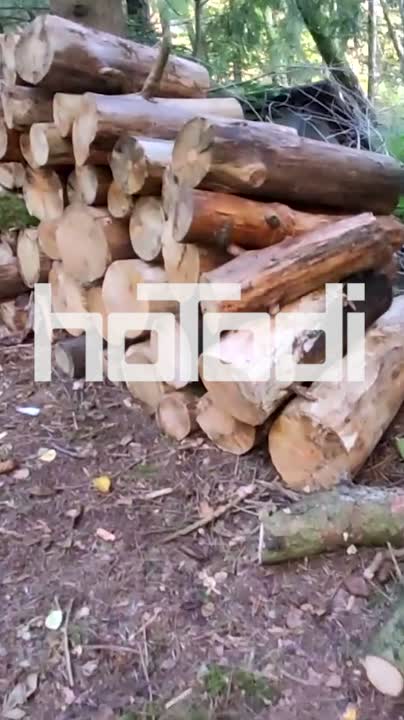
How to measure residual moisture in firewood

In the last few weeks I was busy working in my small forest. I removed some dead trees and then sawed and chopped the wood. Now I had to find out how moist the wood actually should be and how I can measure the so-called residual moisture. I decided to buy a small, handy device from Brennenstuhl for

How to measure residual moisture in firewood_Vertical

In the last few weeks I was busy working in my small forest. I removed some dead trees and then sawed and chopped the wood. Now I had to find out how moist the wood actually should be and how I can measure the so-called residual moisture. I decided to buy a small, handy device from Brennenstuhl for

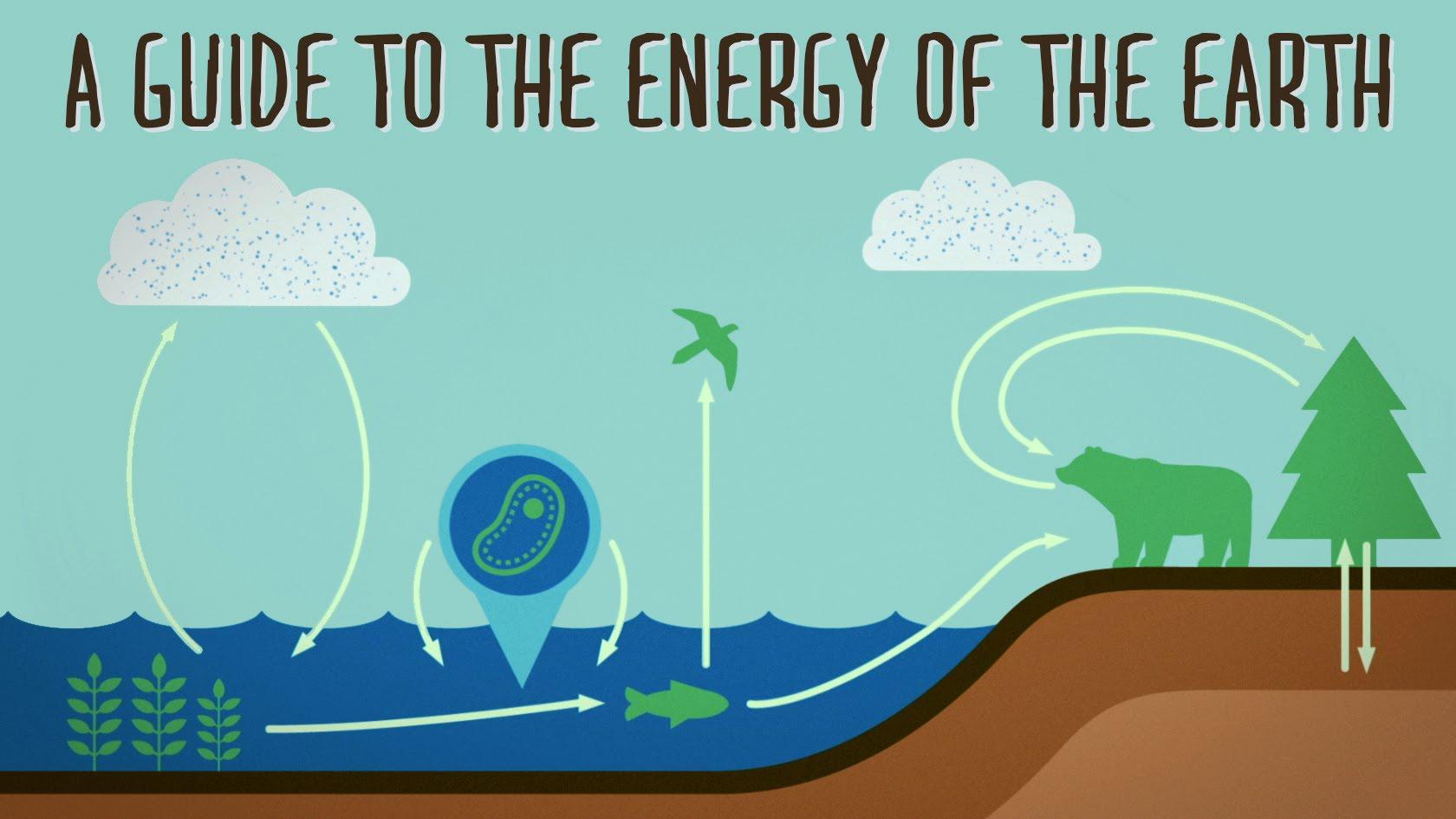
A guide to the energy of the Earth - Joshua M. Sneideman

View full lesson: http://ed.ted.com/lessons/a-guide-to-the-energy-of-the-earth-joshua-m-sneideman Energy is neither created nor destroyed — and yet the global demand for it continues to increase. But where does energy come from, and where does it go? Joshua M. Sneideman examines the many ways in wh

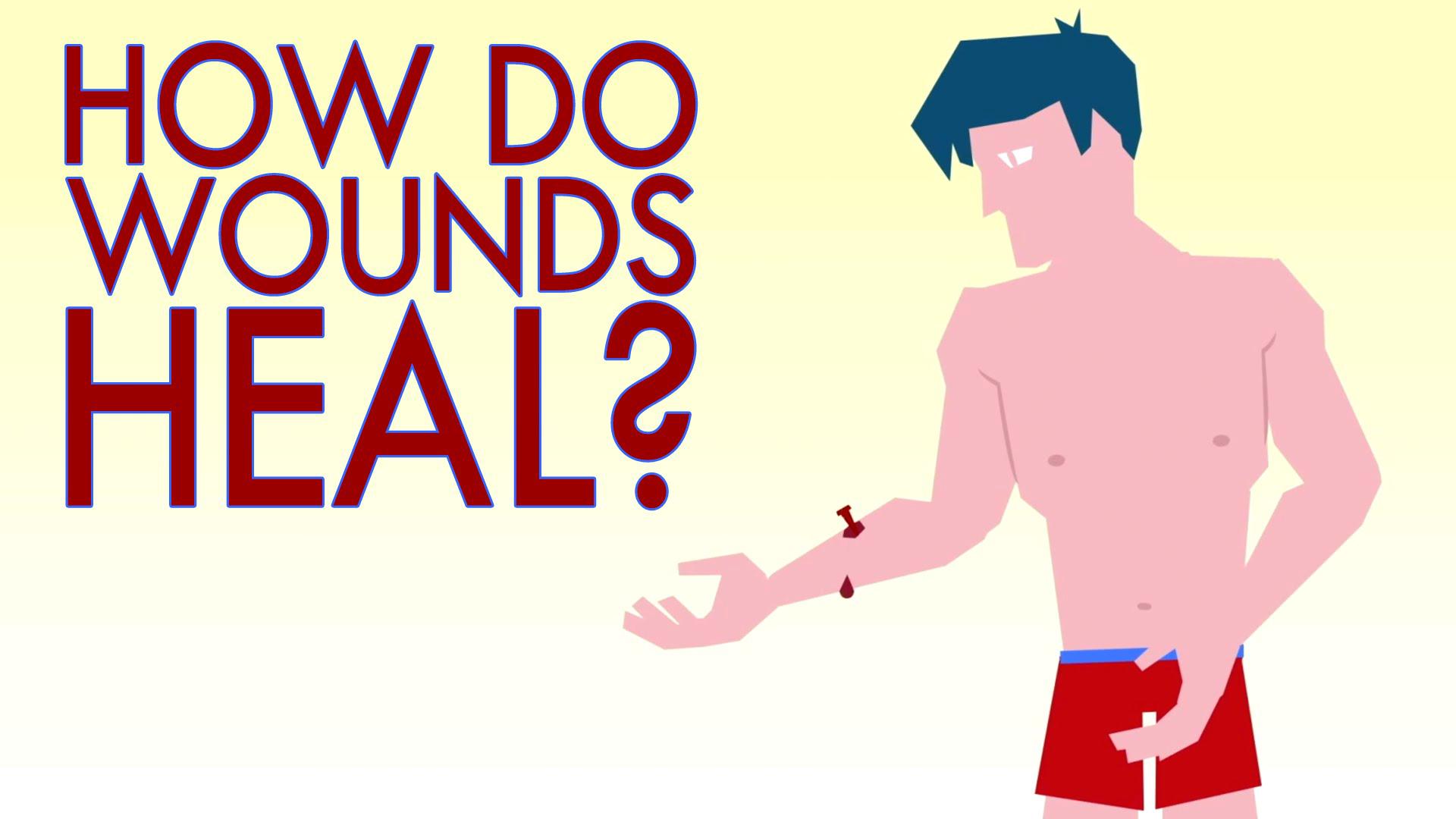
How a wound heals itself - Sarthak Sinha

View full lesson: http://ed.ted.com/lessons/how-a-wound-heals-itself-sarthak-sinha Our skin is the largest organ in our bodies, with a surface area of about 20 square feet in adults. When we are cut or wounded, our skin begins to repair itself through a complex, well-coordinated process. Sarthak Si

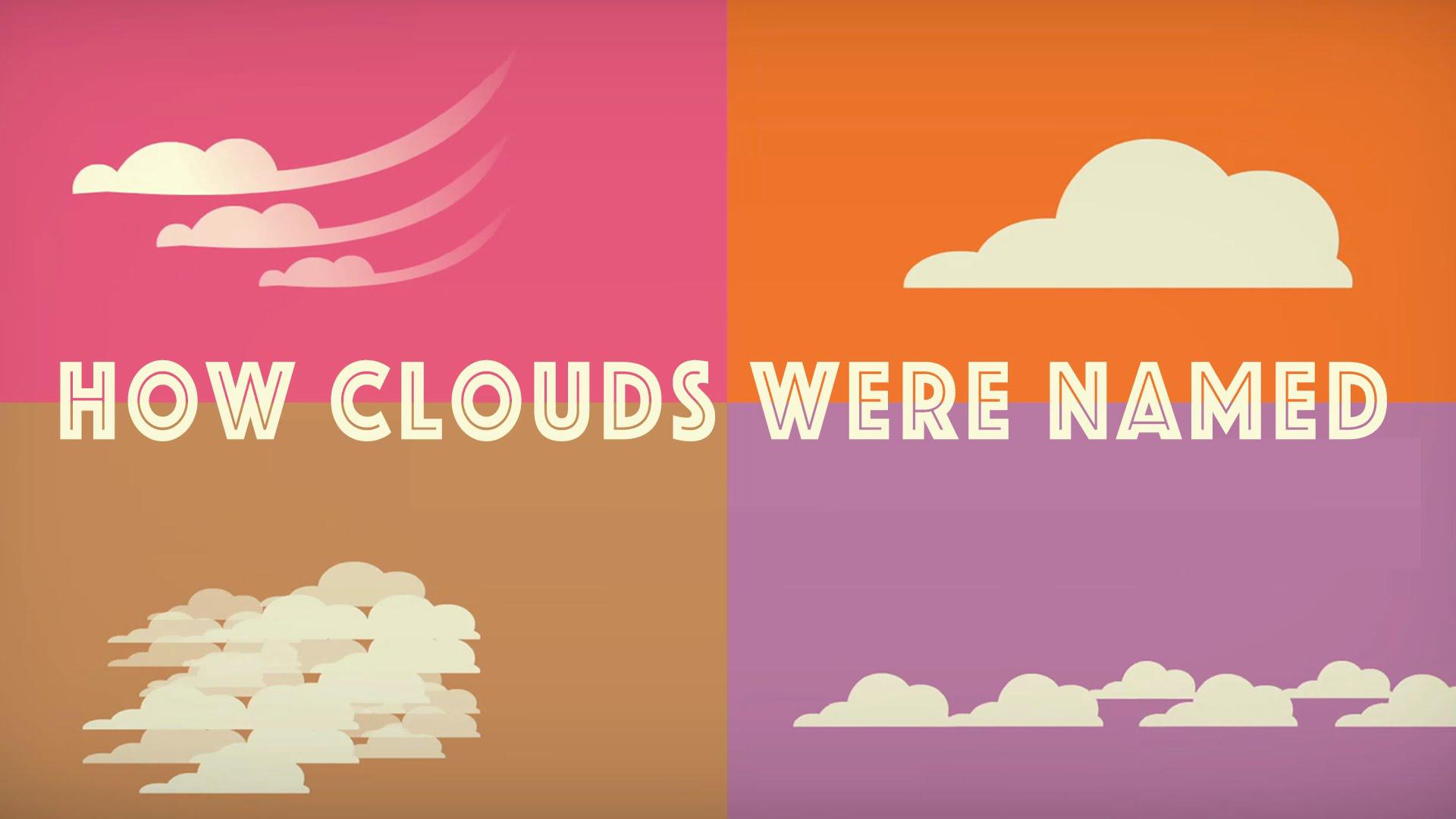
How did clouds get their names? - Richard Hamblyn

View full lesson: http://ed.ted.com/lessons/how-did-clouds-get-their-names-richard-hamblyn The study of clouds has always been a daydreamer’s science, aptly founded by a thoughtful young man whose favorite activity was staring out of the window at the sky. Richard Hamblyn tells the history of Luke

The language of lying — Noah Zandan

View full lesson: http://ed.ted.com/lessons/the-language-of-lying-noah-zandan We hear anywhere from 10 to 200 lies a day. And although we’ve spent much of our history coming up with ways to detect these lies by tracking physiological changes in their tellers, these methods have proved unreliable. I

A day in the life of a Roman soldier - Robert Garland

Check out our Patreon page: https://www.patreon.com/teded View full lesson: https://ed.ted.com/lessons/a-day-in-the-life-of-a-roman-soldier-robert-garland The year is 15 CE, and the Roman Empire is prospering. Most of the credit will go to the emperor, but this success wouldn’t have been possible

OTP Learning Series 04: How to translate

This tutorial contains a few translation guidelines useful for volunteers in TED's Open Translation Project. To access the extended translation guide mentioned in the video, go to http://translations.ted.org/wiki/How_to_Tackle_a_Translation This video was created for the volunteers working in the

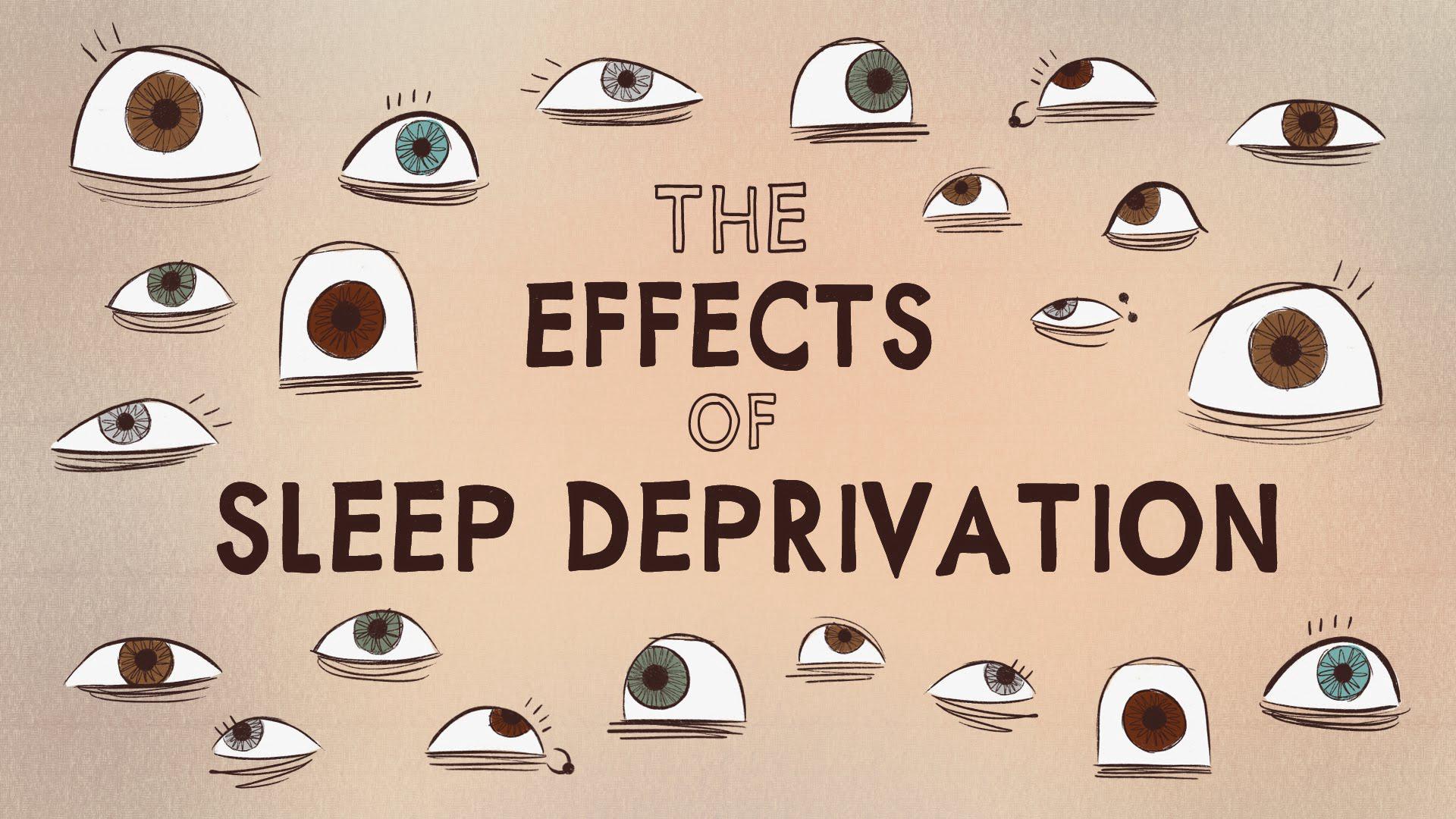
What would happen if you didn’t sleep? - Claudia Aguirre

View full lesson: http://ed.ted.com/lessons/what-would-happen-if-you-didn-t-sleep-claudia-aguirre In the United States, it’s estimated that 30 percent of adults and 66 percent of adolescents are regularly sleep-deprived. This isn’t just a minor inconvenience: staying awake can cause serious bodily